Top of the line equipment

Glass Lined vs Stainless Steel Reactor Comparison: Which Is Best for Your Chemical Process?

Release time:2025-11-07 popularity:407

Introduction

Choosing the right material for your chemical reactor is perhaps the single most critical decision you will make in process design. This choice directly impacts product purity, operational safety, equipment lifespan, and long-term maintenance costs. For most chemical and pharmaceutical applications, the core dilemma remains — Glass lined vs stainless steel reactor comparison is the key factor that determines long-term performance and process reliability.

This comprehensive guide provides a detailed Glass lined vs stainless steel reactor comparison, breaking down the technical differences and helping you determine whether the extreme corrosion resistance of a glass-lined vessel or the superior strength and thermal performance of a stainless steel reactor is best suited for your specific chemical process needs.

II. Direct Technical Comparison by Key Metric

The decision between a glass-lined reactor (GLR) and a stainless steel reactor (SSR) hinges on how each material performs under the unique stresses of chemical processing—corrosion, heat, and mechanical force. This Glass lined vs stainless steel reactor comparison highlights the critical performance differences that guide material selection in industrial applications.

A. Corrosion Resistance and Purity

For processes handling highly aggressive media, corrosion resistance is often the tiebreaker. This Glass lined vs stainless steel reactor comparison demonstrates how each material performs when exposed to harsh chemical environments.
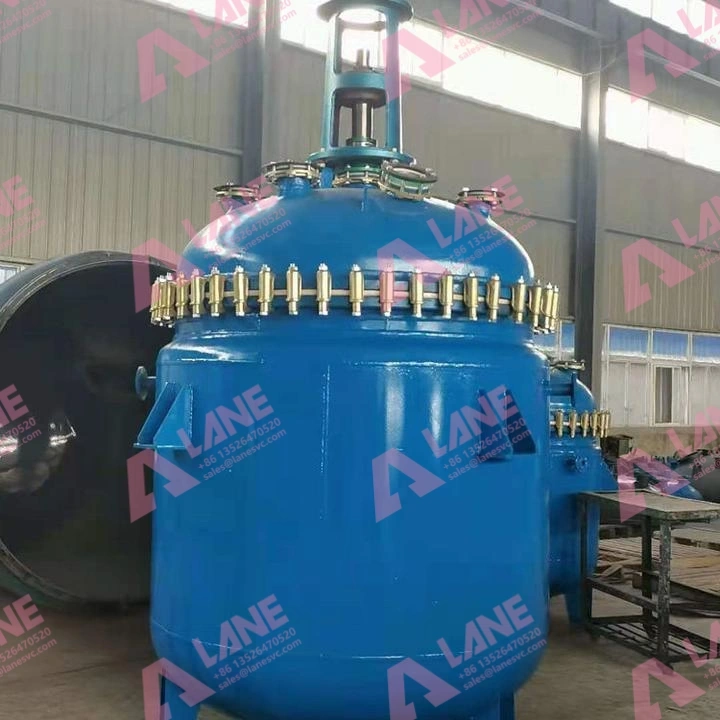
  • Glass-Lined Reactor (GLR) Advantage: Glass lining offers exceptional chemical inertness. It is virtually non-porous and resists almost all acids and bases across a wide range of temperatures. This feature is crucial for industries, like pharmaceuticals, where zero metal ion contamination is mandatory. The only significant limitations are concentrated hydrofluoric acid (HF) and hot, highly concentrated phosphoric acid, both of which can attack the glass layer.
  • Stainless Steel Reactor (SSR) Limitation: While robust, stainless steel is an alloy. Its resistance depends heavily on the specific grade (e.g., 304 vs. 316L) and is highly susceptible to attack from chlorides and strong oxidizing acids. Corrosion not only degrades the vessel but also introduces trace metal ions into the batch, compromising purity. This contrast clearly highlights the importance of Glass lined vs stainless steel reactor comparison when selecting the ideal equipment for chemical production.

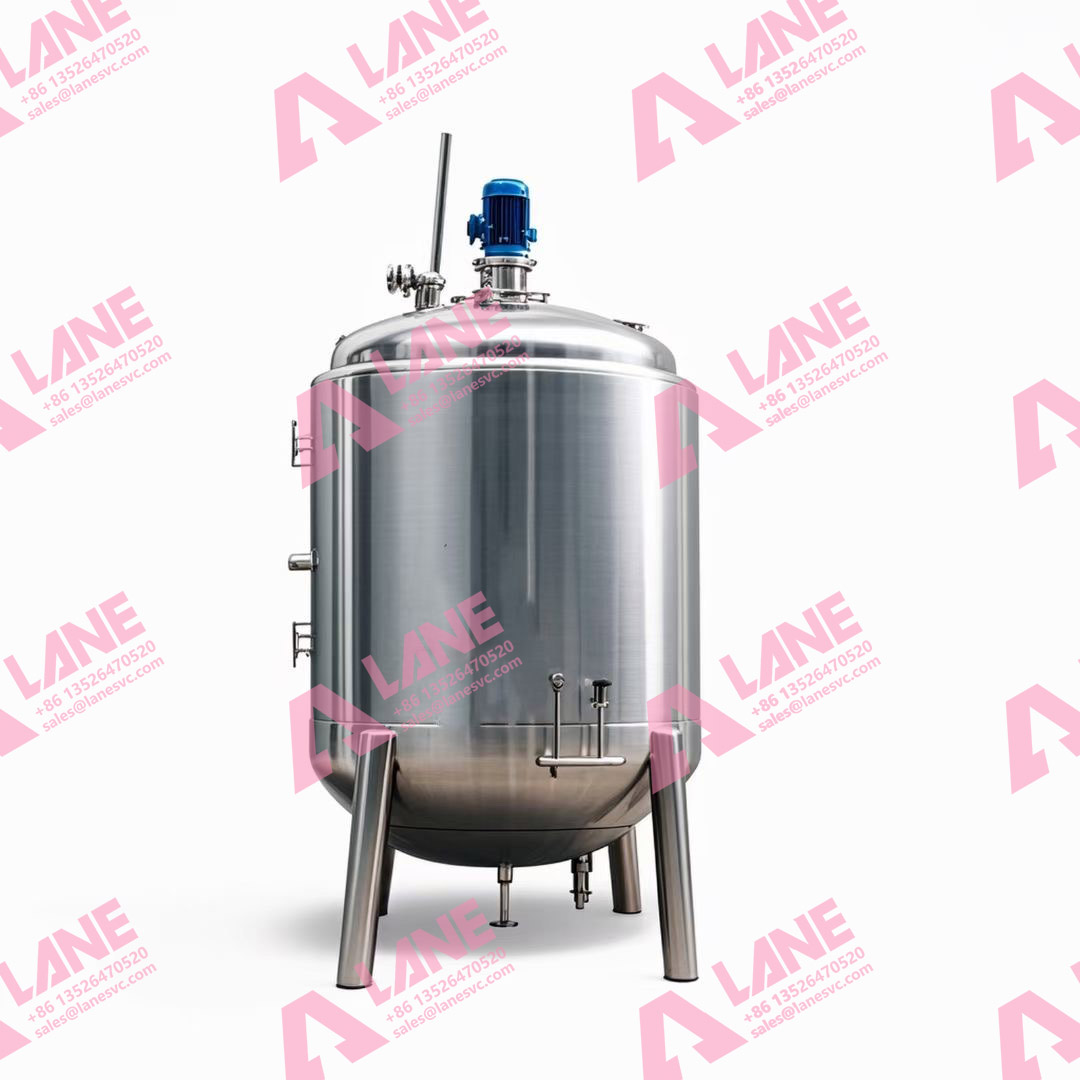
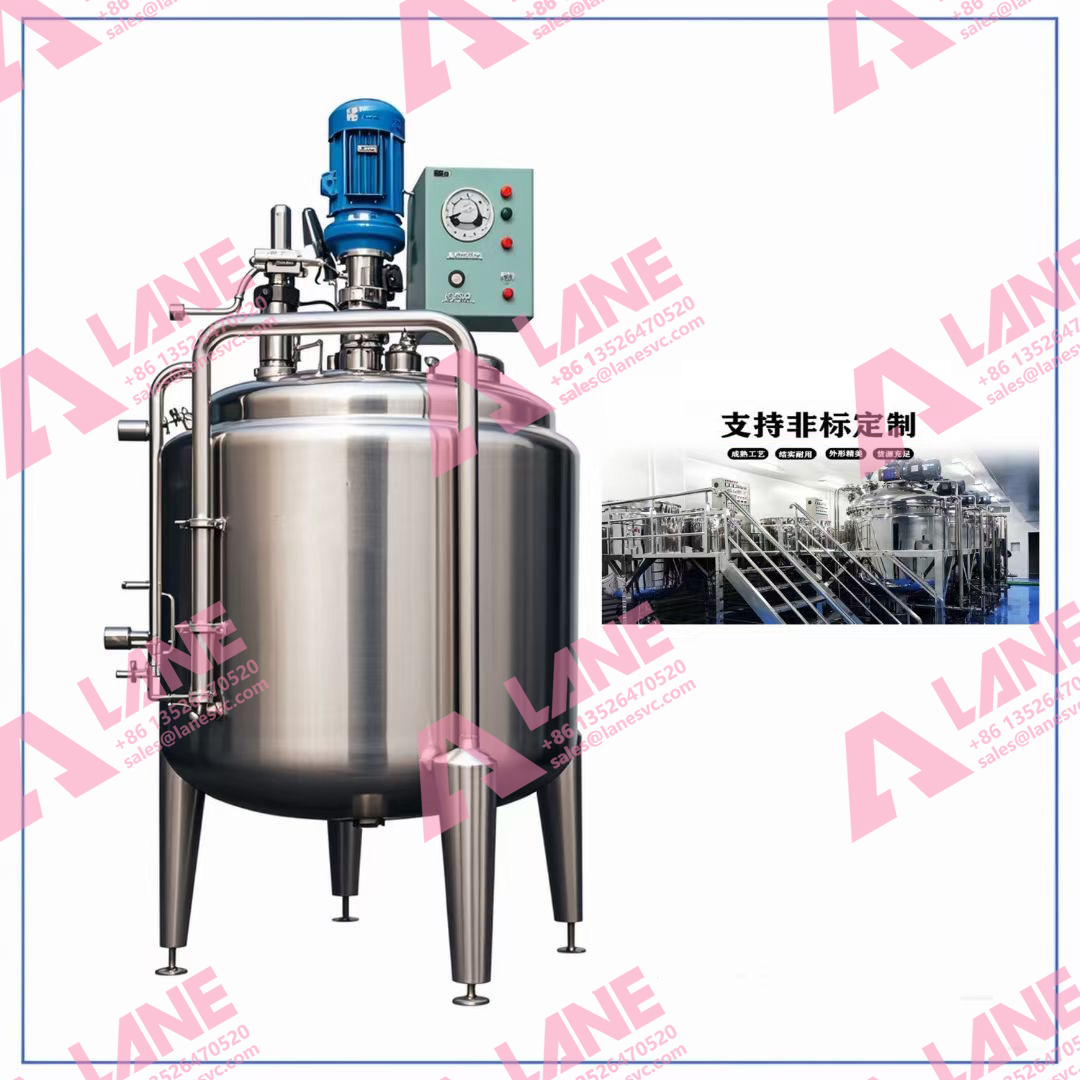
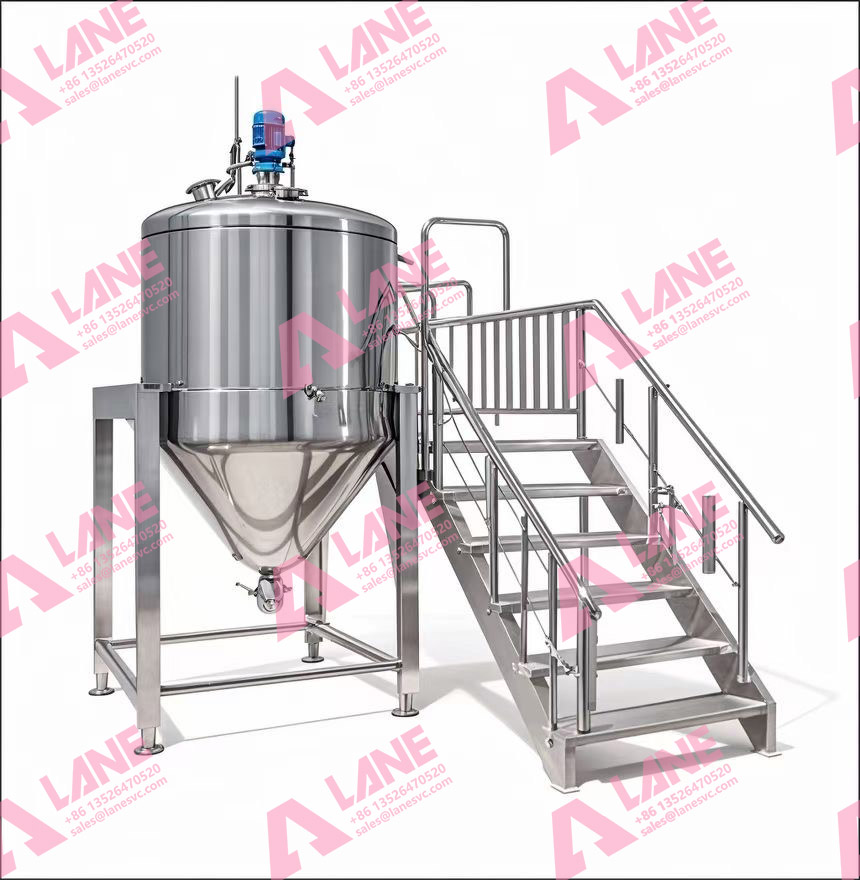
Glass lined vs stainless steel reactor comparison

B. Thermal Performance and Heat Transfer

The speed and precision with which you can heat or cool a batch dramatically affect reaction kinetics and product quality. In any Glass lined vs stainless steel reactor comparison, thermal conductivity plays a decisive role in performance.

  • Stainless Steel Reactor (SSR) Advantage: Stainless steel is an excellent thermal conductor. Its thermal conductivity can be up to 50 times greater than that of a glass lining. This makes SSRs the preferred choice for exothermic (heat-releasing) or endothermic (heat-absorbing) processes that require rapid temperature changes or extremely precise temperature control.
  • Glass-Lined Reactor (GLR) Limitation: The glass layer acts as an insulator. While this can sometimes be beneficial for stability, it results in significantly slower heat transfer rates. This can extend cycle times and complicate control in reactions that demand rapid heat dissipation.

C. Mechanical Strength and Operating Limits

Mechanical robustness determines the limits of pressure, vacuum, and agitation intensity — a crucial factor to evaluate in any Glass lined vs stainless steel reactor comparison.
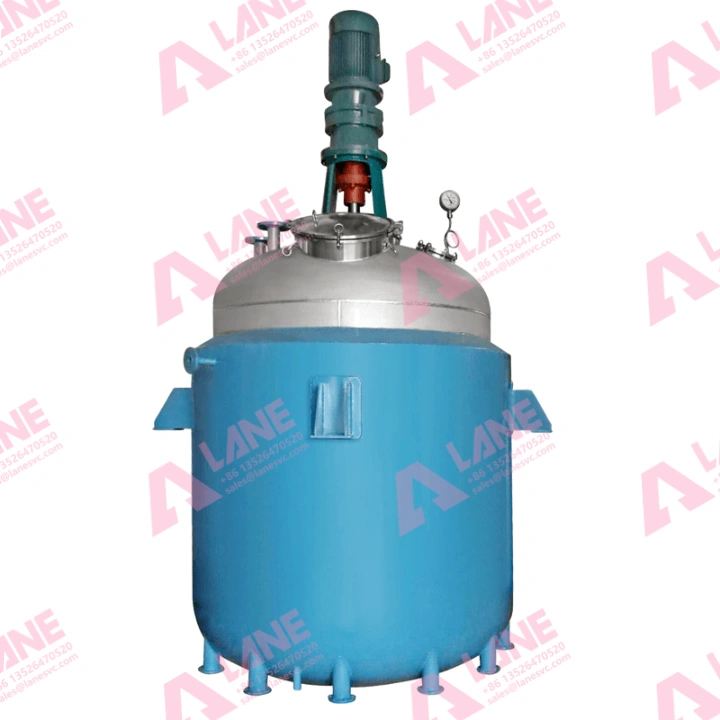
  • Stainless Steel Reactor (SSR) Advantage: Being a solid metal vessel, SSRs offer superior mechanical strength and excellent ductility. They are the only viable option for high pressure reactor applications (above 15 bar) and are resilient against the mechanical stresses of high-speed agitation and external impact. They handle thermal shock (sudden temperature changes) with ease.
  • Glass-Lined Reactor (GLR) Limitation: The glass lining is inherently brittle. The vessel is highly sensitive to external mechanical impact (such as dropping tools inside) and abrasive materials. Furthermore, the glass cannot tolerate severe thermal shock; rapid heating or cooling can cause the lining to crack, leading to catastrophic failure of the steel underneath.

Glass lined vs stainless steel reactor comparison

D. Cost, Maintenance, and Longevity

Investment decisions must weigh upfront costs against long-term operational expenses. In any Glass lined vs stainless steel reactor comparison, understanding these cost dynamics is essential.

Initial Cost: The initial investment for a glass-lined reactor is typically higher than for a standard stainless steel equivalent, reflecting the complexity of the enameling process.

Maintenance: A stainless steel reactor is straightforward to repair; minor damage can often be fixed on-site with standard welding techniques. Conversely, glass lining repair is highly specialized, involving tantalum patches or a complete, expensive re-enameling process which requires significant downtime.

Longevity: Both types can last for decades. However, the SSR’s longevity is limited by its corrosion rate, while the GLR’s lifespan is limited by the integrity of its fragile lining.

Application-Specific Selection Guide

The optimal choice is determined by identifying which performance criteria are non-negotiable for your specific process — a crucial factor in any Glass lined vs stainless steel reactor comparison.

A. When to Choose a Glass Lined Reactor

The primary reason to choose a glass-lined reactor is when purity and corrosion resistance outweigh all other factors. In the context of a Glass lined vs stainless steel reactor comparison, GLRs stand out for their unmatched chemical inertness and ability to maintain product purity. You should choose a GLR for:

  1. Pharmaceutical API Synthesis: Where even trace metal contamination renders a batch unusable.
  2. Fine Chemical Production: When handling highly corrosive reagents, especially those involving halogens (chlorine, bromine) or concentrated mineral acids.
  3. Complex Multi-Step Processes: If the reactor must handle a wide variety of aggressive chemicals during cleaning, reaction, or separation stages.

B. When to Choose a Stainless Steel Reactor

A stainless steel reactor is the correct choice when high throughput, pressure tolerance, and energy efficiency are critical. Within a Glass lined vs stainless steel reactor comparison, SSRs excel in mechanical durability, temperature control, and long-term performance. You should choose an SSR for:

  1. High-Volume Production: Processes where cycle time is crucial, benefiting from the superior heat transfer capabilities.
  2. High-Pressure Reactions: Any reaction requiring sustained operation above 15 bar, where the mechanical strength of steel is indispensable.
  3. Low-to-Moderate Corrosivity: Processes involving mild organic synthesis, solvents, or mild acids that can be handled effectively by specific stainless steel grades.
  4. Biotechnology & Fermentation: Where robust sanitary design and high mechanical agitation are needed, and the media is not extremely corrosive.

Frequently Asked Questions (FAQ)

  • Q: Can a glass-lined reactor be used for high pressure?
    A: Generally, no. While GLRs can handle moderate pressure (up to 6 bar), they lack the mechanical strength and resilience of solid stainless steel reactors. High-pressure applications (above 15 bar) always require an SSR. This is one of the key points often discussed in a Glass lined vs stainless steel reactor comparison.
  • Q: What is the typical lifespan of a stainless steel chemical reactor?
    A: A well-maintained stainless steel reactor used within its material limits can easily last 15 to 25 years. However, its lifespan is directly dependent on the corrosion rate of the specific alloy used against the process media.
  • Q: What is the main drawback of glass-lined equipment?
    A: The main drawback is its fragility. The glass lining is highly susceptible to thermal shock (sudden temperature changes) and mechanical impact. A chip or crack in the lining compromises the vessel’s integrity, leading to downtime and costly, specialized repairs.

Why Choose LANE Heavy Industry Reactors

At LANE Heavy Industry, we design and manufacture a full range of high-performance reactors—Glass Lined, Stainless Steel, Carbon Steel, and Liquid Reactors—to suit different chemical production needs. With deep expertise in Glass lined vs stainless steel reactor comparison, our engineering team helps clients choose the ideal solution for their specific process requirements. Our equipment is engineered for:

  • Superior corrosion protection and mechanical strength.
  • Easy maintenance and reliable performance.
  • Custom design according to your plant layout and process needs.

We provide complete project solutions, from reactor selection and design to installation and after-sales service, ensuring efficiency and safety in every step of your production line.
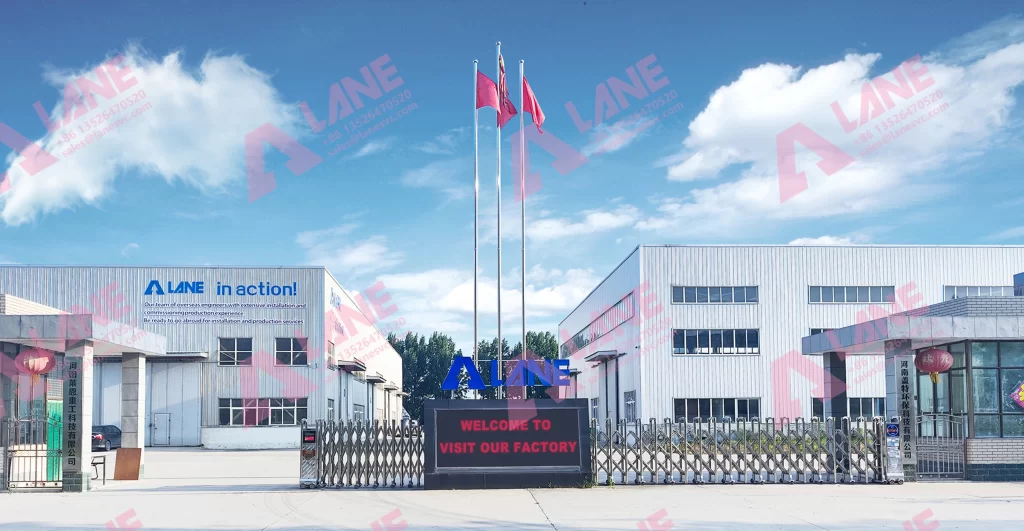
Glass lined vs stainless steel reactor comparison

Conclusion: Making the Final Selection

The decision between a stainless steel reactor and a glass lined reactor is a classic engineering trade-off, and understanding this Glass lined vs stainless steel reactor comparison is key to making an informed choice. There is no universally “best” option—each reactor type offers distinct advantages depending on process needs.

If your process involves severe corrosion or extreme purity requirements (Pharma, specialty chemicals), the GLR’s inert nature is essential, despite the risk of thermal shock.

If your priority is speed, high pressure, rapid temperature control, and mechanical stability, the SSR is the undisputed champion.

Ultimately, every Glass lined vs stainless steel reactor comparison should include a thorough analysis of the most aggressive conditions your reactor will face—including cleaning agents, process variations, and potential emergency scenarios—before making your final material selection.

For more details, please feel free to contact us.

Henan Lane Heavy Industry Machinery Technology Co., Ltd.

Email: sales@lanesvc.com

Contact number: +86 13526470520

Whatsapp: +86 13526470520

Online Service
contact details
OPEN