Release time:2026-01-13 popularity:407
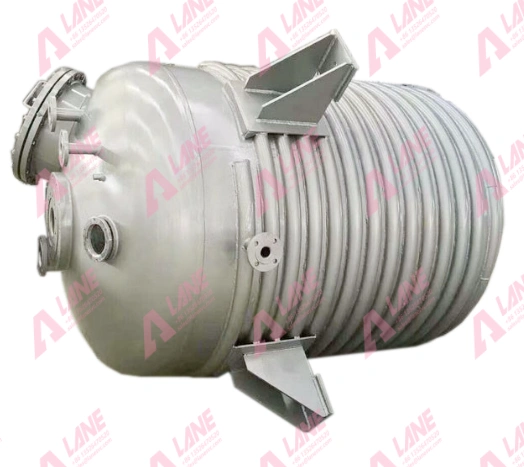
In chemical, pharmaceutical, fertilizer, and biochemical industries, the reactor is the heart of the production process. But many people underestimate one critical component—the agitator. In reality, Reactor Agitator Design plays a decisive role in reaction efficiency, product quality, energy consumption, and overall production stability.
A poorly designed agitator can lead to uneven mixing, long reaction time, incomplete reactions, and even product quality problems. On the other hand, a well-optimized Agitated Reactor Design can significantly improve mass transfer, heat exchange, and reaction kinetics. That’s why choosing the right agitator is not just a technical decision—it is a business decision.
In this article, we will explain how Reactor Agitator Design affects reaction performance, what types of agitators are available, how to select the right one for your process, and how to avoid common mistakes.
Many factories focus heavily on reactor volume, material, and pressure rating, but pay less attention to Reactor Agitator Design. This is a common mistake. The agitator determines how raw materials contact each other, how fast heat is transferred, and how uniform the reaction environment is.
If mixing is inefficient:
A professional Agitated Reactor Design ensures that all reactants are evenly distributed, temperature is uniform, and no dead zones exist inside the reactor. This directly leads to higher conversion rates and more stable output.
There is no “one-size-fits-all” solution in Agitated Reactor Design. Each process has its own requirements. The following factors must be considered:
1. Material Viscosity
Low-viscosity liquids require different agitators than high-viscosity slurries or pastes. Reactor Agitator Design must match the rheological behavior of the material.
2. Solid Content
If solids are present, the agitator must prevent settling and ensure uniform suspension. This is a critical point in many fertilizer and chemical reactions.
3. Reaction Type
Exothermic, endothermic, gas-liquid, or solid-liquid reactions all have different mixing demands. A good Agitated Reactor Design supports the reaction mechanism, not fights against it.
4. Reactor Geometry
Tank diameter, height, baffle design, and internal structure directly affect flow pattern. Agitated Reactor Design must be coordinated with vessel design.
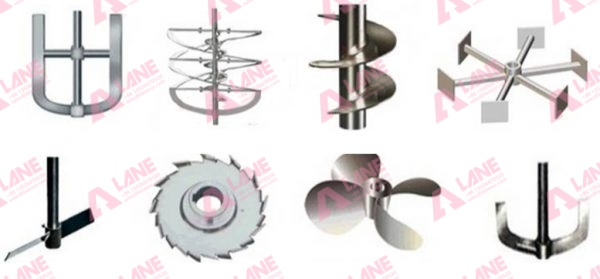
Understanding different agitator types is essential for proper Reactor Agitator Design. Here are the most commonly used ones:
Paddle Agitator
Simple structure, suitable for low-viscosity liquids and gentle mixing.
Turbine Agitator
Strong shear force, widely used in gas-liquid and liquid-liquid reactions. Very popular in Agitated Reactor Design for chemical processes.
Anchor Agitator
Designed for high-viscosity materials. Scrapes the tank wall to improve heat transfer.
Helical Ribbon Agitator
Ideal for extremely viscous materials. Often used in polymer and special chemical reactions.
Propeller Agitator
High speed, low torque. Suitable for low-viscosity fluids and blending operations.
Each type has its own advantages. The key is matching the agitator type with your process through proper Agitated Reactor Design.
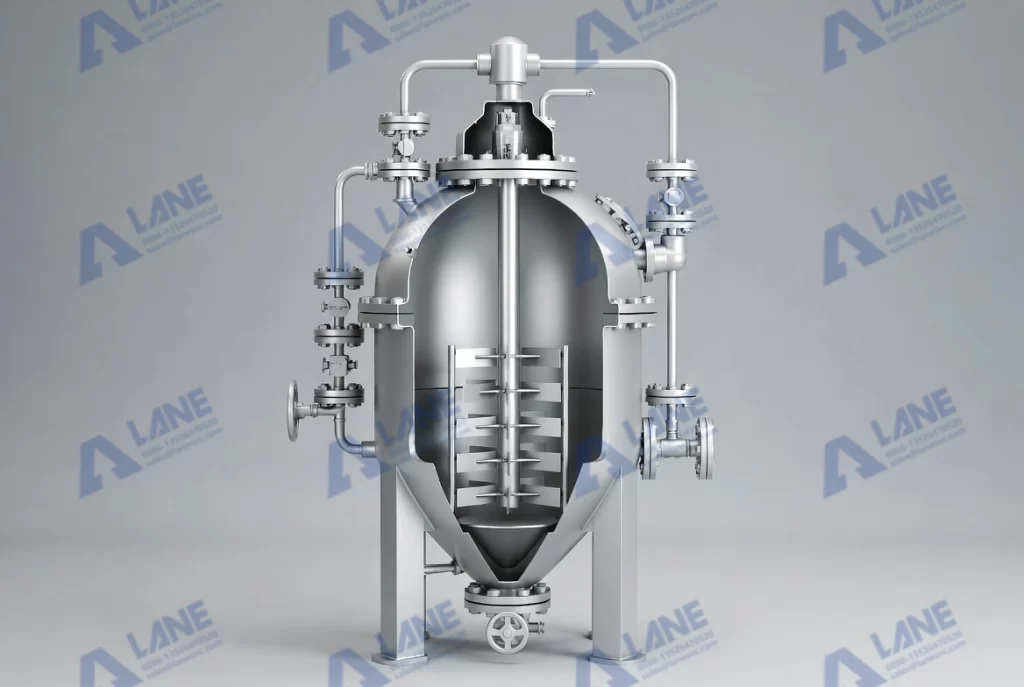
Choosing the right agitator is the core of Agitated Reactor Design. Here is a practical selection logic used by experienced engineers:
First, analyze your material properties: viscosity, density, solid content.
Second, clarify your reaction purpose: blending, suspension, heat transfer, gas dispersion.
Third, evaluate your reactor size and structure.
Finally, calculate power requirement and shaft strength.
A well-executed Reactor Agitator Design will ensure:
This is exactly how you maximize reaction efficiency in real production.
Many failures in Agitated Reactor Design come from simple but costly mistakes:
These mistakes often lead to vibration, shaft bending, seal failure, and poor mixing. A professional Reactor Agitator Design avoids these risks from the beginning.
This is something many managers overlook. Agitated Reactor Design directly affects:
A poorly designed agitator may be cheaper initially, but it will cost you more in energy and repairs over time. A well-optimized Reactor Agitator Design reduces total cost of ownership and improves production stability.
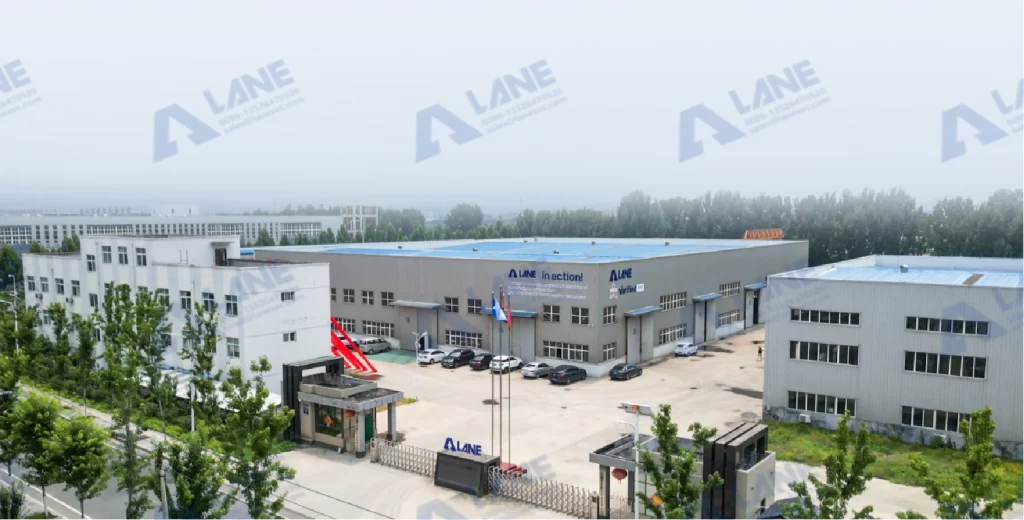
When it comes to professional Agitated Reactor Design, experience and engineering strength make a huge difference. LANE Heavy Industry Machinery Technology Co., Ltd. is a high-tech enterprise specializing in the R&D, production, and sales of industrial equipment, including reactor systems and mixing solutions.
LANE provides complete services for Reactor Agitator Design, including:
With projects in over 200 countries and regions, LANE understands real production challenges, not just theoretical design. Choosing LANE means choosing reliability, efficiency, and long-term technical support. Many clients start with one reactor and gradually expand their production lines with LANE’s continuous guidance.
From real cases, we have seen that:
These details are exactly where professional Agitated Reactor Design shows its value.
Q1: Is higher speed always better in Reactor Agitator Design?
No. Higher speed increases shear and power consumption. Proper Agitated Reactor Design balances speed and torque based on process needs.
Q2: Can one agitator fit different reactions?
Usually not. Each reaction has its own mixing characteristics. Customized Agitated Reactor Design is always recommended.
Q3: How important is shaft material selection?
Very important. Shaft strength and corrosion resistance are critical parts of Reactor Agitator Design, especially in chemical environments.
Q4: What is the biggest mistake in agitator selection?
Choosing based on price only. This often leads to poor performance and high long-term cost. Proper Reactor Agitator Design focuses on performance first.
Q5: Can LANE provide customized solutions?
Yes. LANE specializes in customized Agitated Reactor Design based on your material, process, and production capacity.
In modern industrial production, efficiency is everything. Agitated Reactor Design is not a small accessory—it is a core factor that determines reaction performance, product quality, and operating cost.
With the right design approach, professional engineering support, and reliable manufacturing, you can significantly improve reaction efficiency and production stability. If you are planning a new project or upgrading an existing system, now is the right time to re-evaluate your Agitated Reactor Design.
If you are looking for a professional partner, LANE is ready to help you design, build, and optimize your reactor agitator system for maximum efficiency and long-term success.
For more details, please feel free to contact us.
Henan Lane Heavy Industry Machinery Technology Co., Ltd.
Email: sales@lanesvc.com
Contact number: +86 13526470520
Whatsapp: +86 13526470520