Release time:2025-11-27 popularity:407
Selecting the right reactor equipment for fertilizer production is a critical decision for both small-scale farms and large industrial fertilizer plants. The reactor is the heart of the production process, where raw materials undergo chemical reactions, mixing, and heating to produce high-quality fertilizer. Choosing unsuitable reactor equipment for fertilizer production can lead to inefficient production, uneven product quality, and higher operational costs. This guide provides a comprehensive look at key considerations, practical advice, and common mistakes to avoid when investing in reactor equipment.
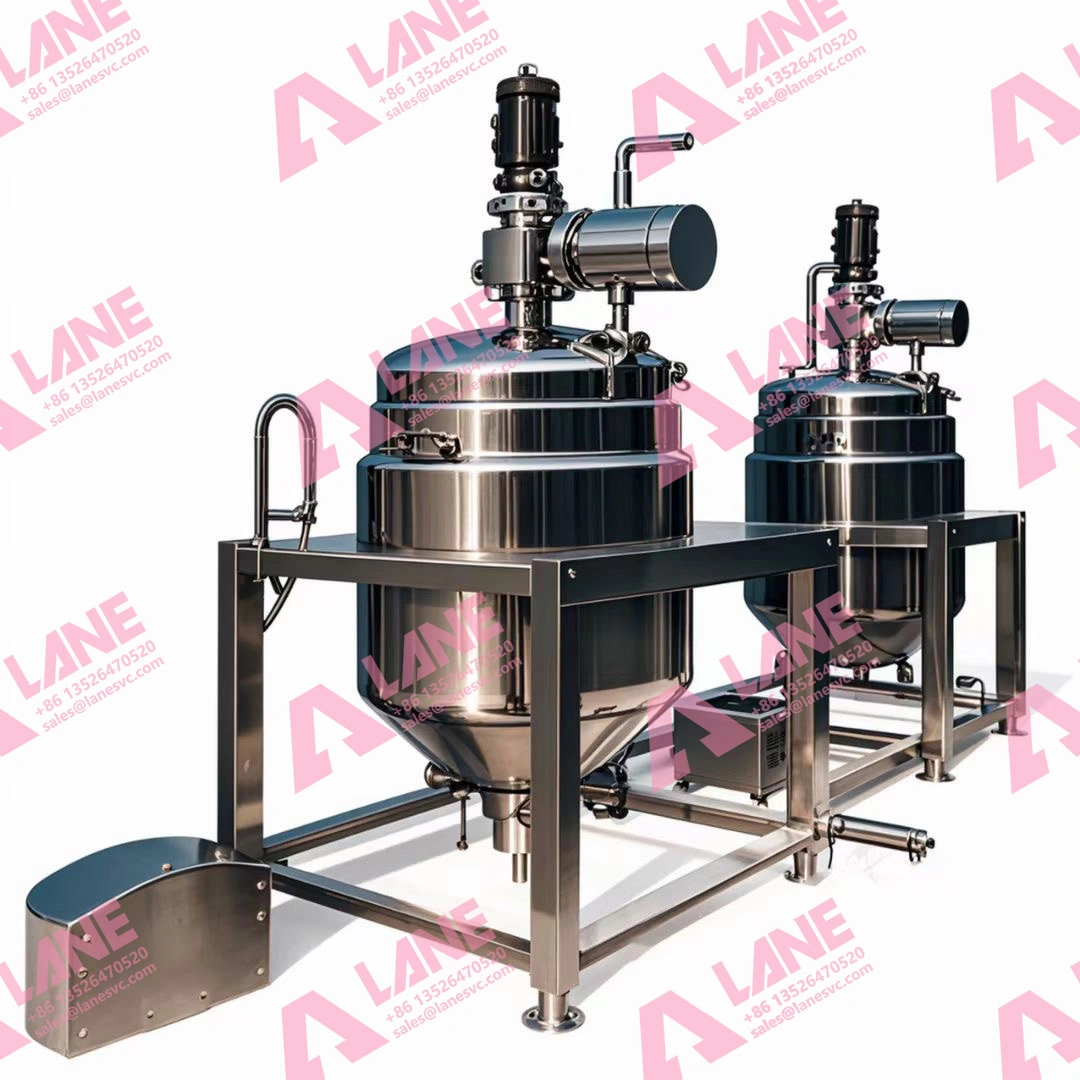
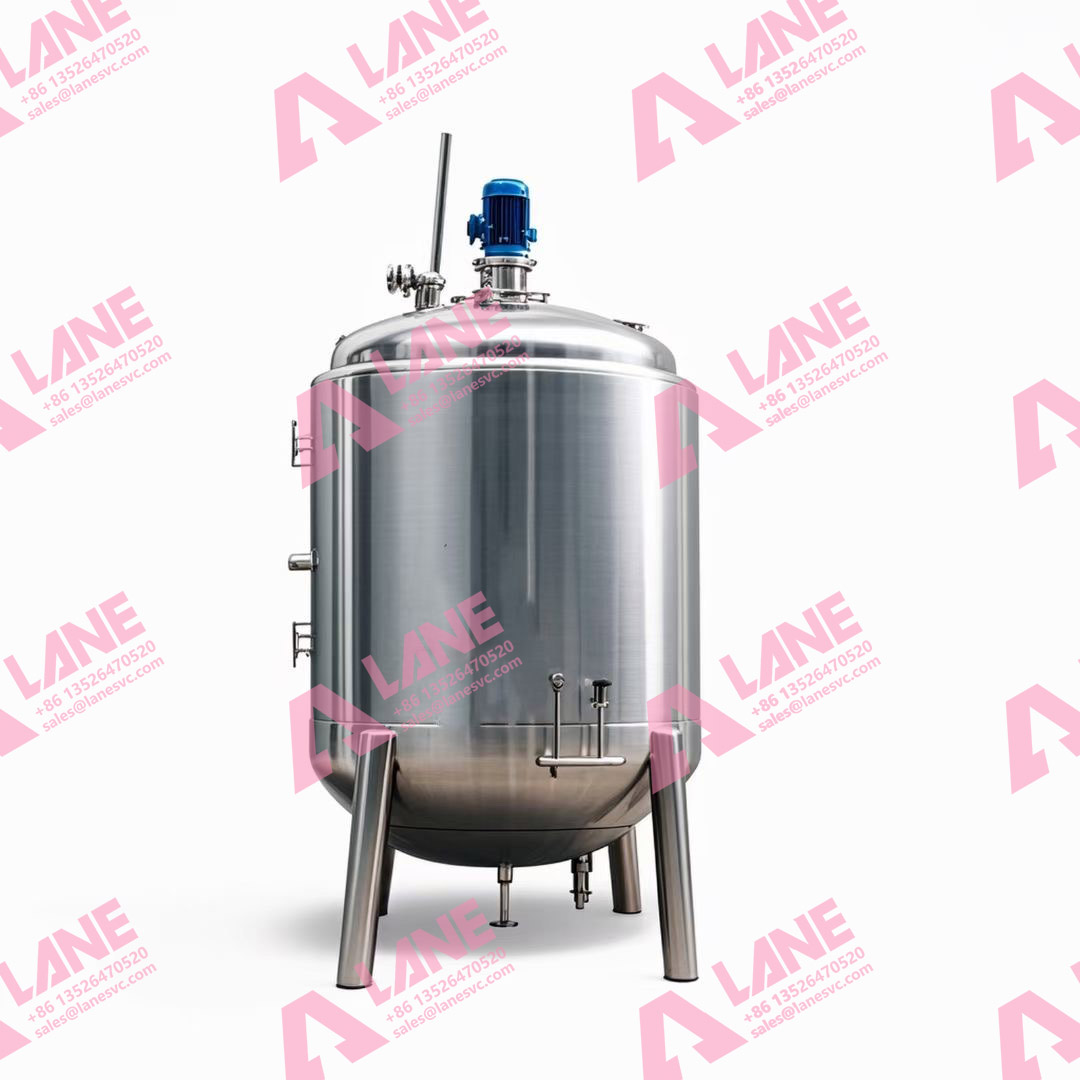
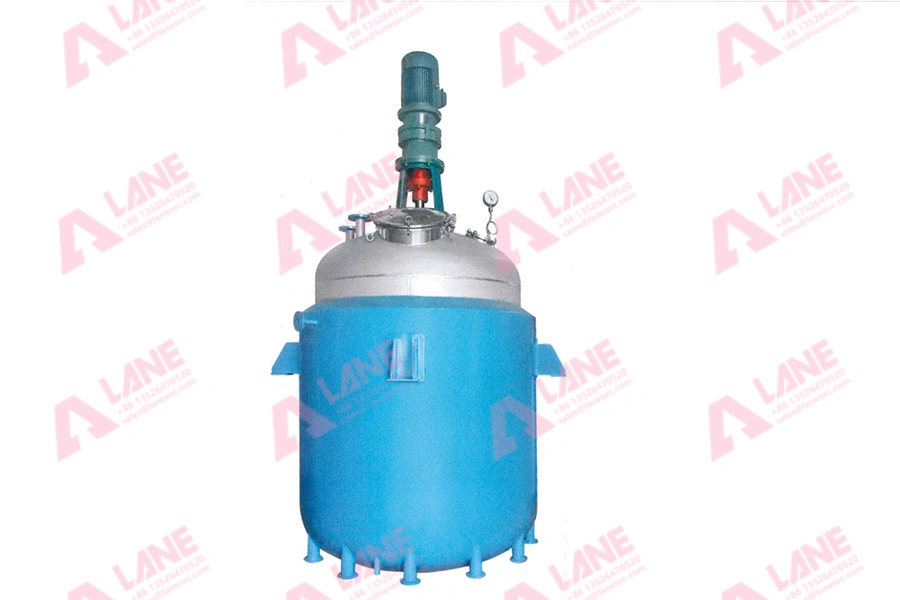
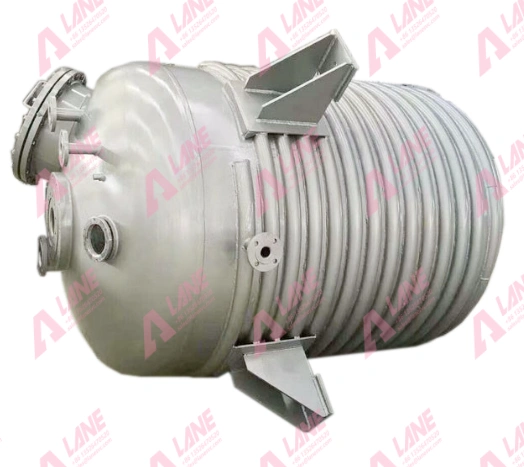
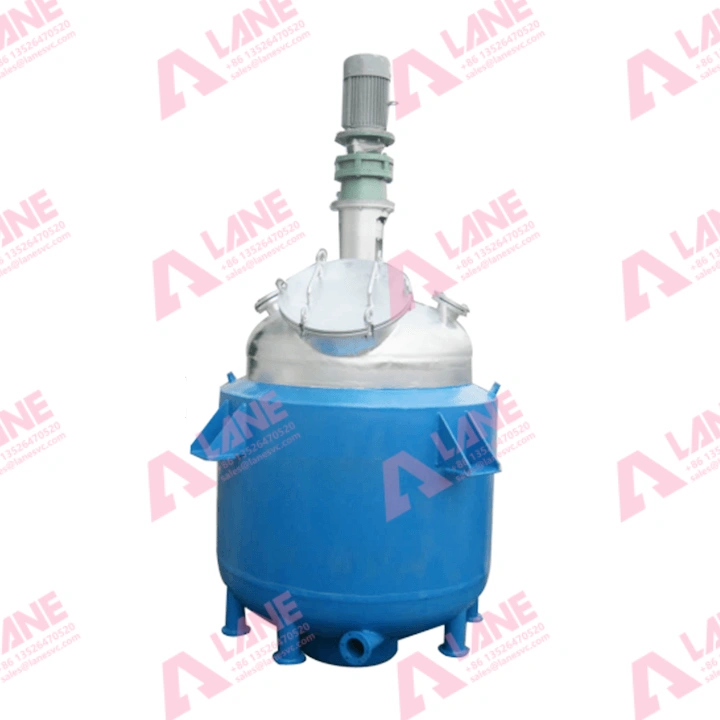
Fundamentally a reactor is engineered to manage reactions that convert raw ingredients such, as ammonium, phosphate, potassium and organic waste into final fertilizer products. There is a range of reactor types, including glass-lined reactors, stainless steel reactors and carbon steel reactors. Every variant possesses characteristics regarding corrosion resistance, heat exchange and volume capacity with the selection largely influenced by the substances handled and the size of your operation.
Small and medium-scale plants often benefit from stainless steel or glass-lined reactors, which are durable, resistant to corrosion, and provide stable reactions. Industrial-scale operations may require larger carbon steel reactors or custom-designed units capable of handling high-volume continuous production.
A well-selected reactor equipment for fertilizer production not only improves efficiency but also guarantees uniform nutrient distribution and product quality, which are essential for market acceptance.
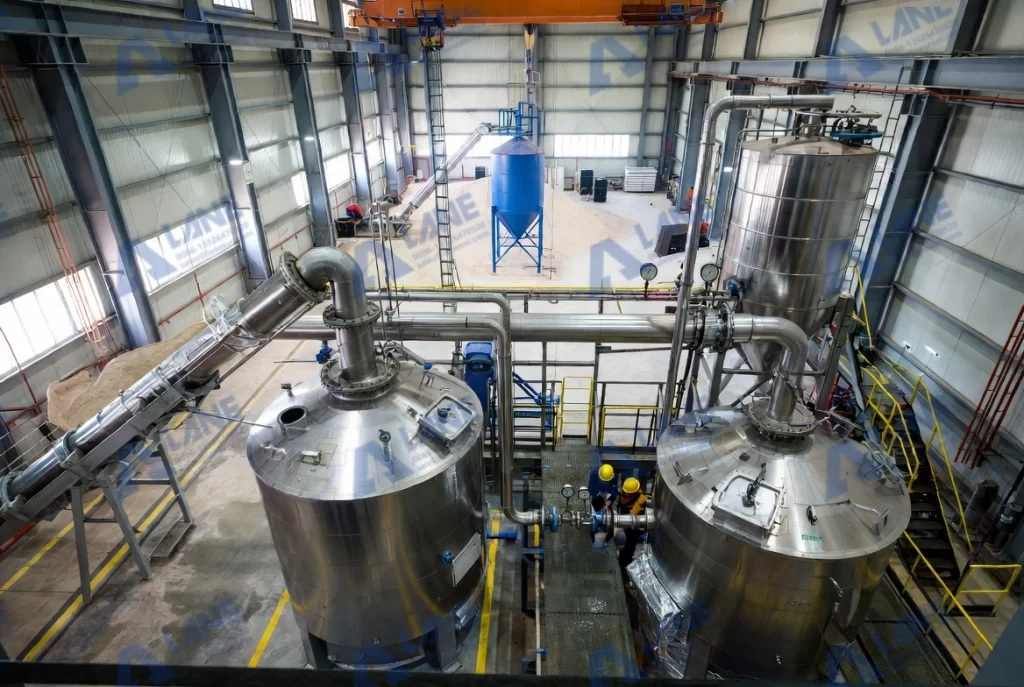
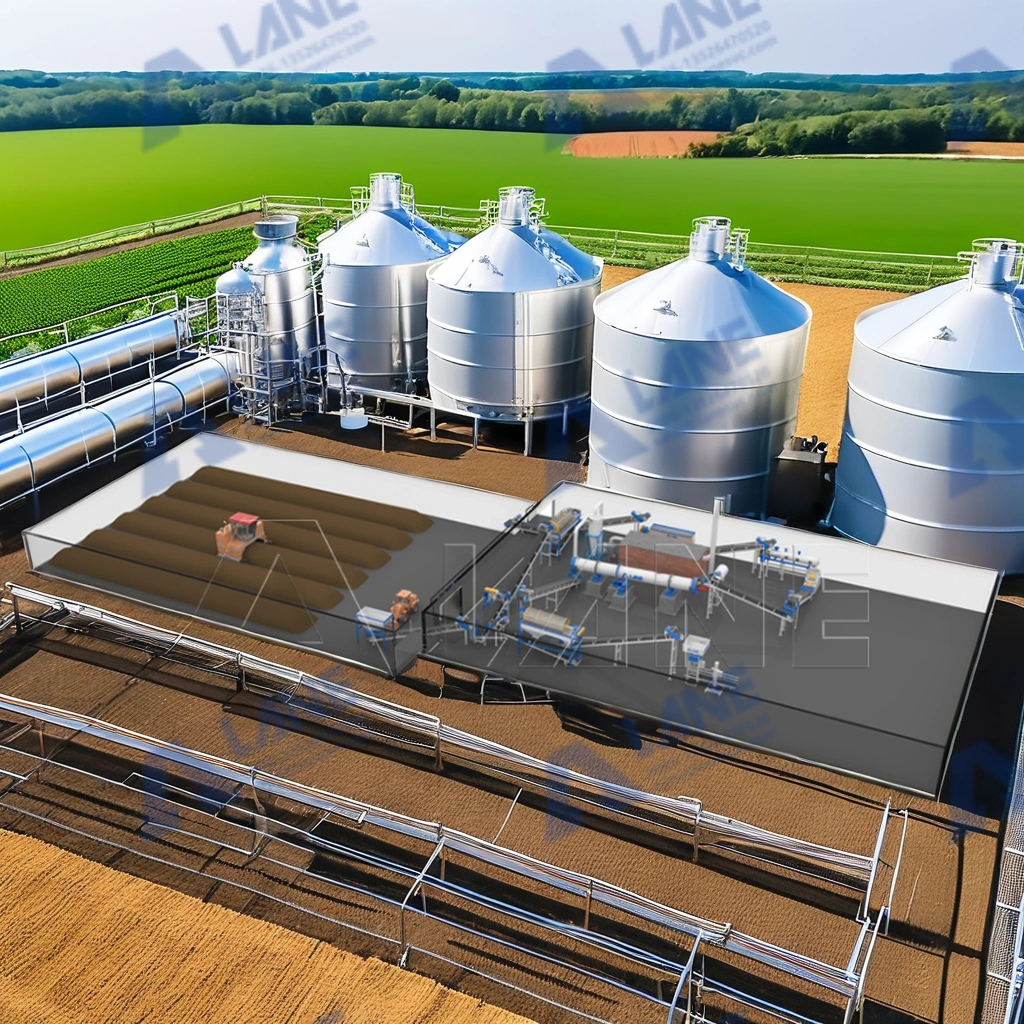
Many fertilizer producers make similar errors when selecting reactor equipment for fertilizer production. Common mistakes include ignoring chemical compatibility, which can lead to corrosion or reduced reactor lifespan, overestimating capacity needs and buying oversized reactors that increase energy and maintenance costs, neglecting automation or control systems that can result in inconsistent product quality, and skipping after-sales support and spare parts availability. Careful planning and thorough evaluation of each factor can prevent wasted investment and support long-term production stability.
1. What is the most important feature in reactor equipment for fertilizer production?
Chemical resistance and uniform heat transfer are critical, as they ensure consistent reactions and high-quality fertilizer output.
2. Can small farms use industrial reactors?
Small farms usually require compact, semi-automatic reactors. Industrial reactors are often oversized and cost-prohibitive for small-scale operations.
3. How do I determine the right reactor size?
Consider your daily production goals, raw material type, and reaction time. It’s better to slightly undersize a reactor for efficiency rather than oversize and waste energy.
4. What materials are commonly used in reactors for fertilizer production?
Glass-lined, stainless steel, and carbon steel are the most common. The choice depends on corrosion resistance, reaction type, and budget.
5. How important is automation in reactors?
Automation ensures consistent temperature, pressure, and mixing, which is essential for product uniformity and quality control, especially in larger operations.
Choosing the right reactor equipment for fertilizer production is vital for achieving efficient operations, consistent fertilizer quality, and long-term profitability. Understanding your raw materials, production goals, and maintenance capabilities is essential. By investing in durable, energy-efficient, and well-automated reactors, fertilizer producers—from small farms to industrial plants—can ensure stable production, reduced operational risks, and high-quality output that meets market demands. Careful planning, combined with the right reactor choice, forms the foundation of a successful fertilizer production business.
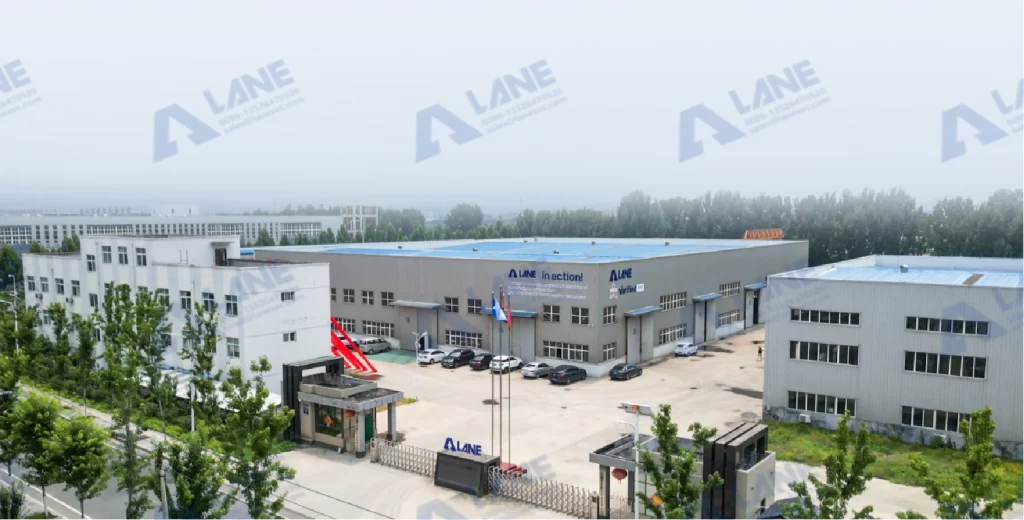
For more details, please feel free to contact us.
Henan Lane Heavy Industry Machinery Technology Co., Ltd.
Email: sales@lanesvc.com
Contact number: +86 13526470520
Whatsapp: +86 13526470520