Release time:2025-12-04 popularity:407
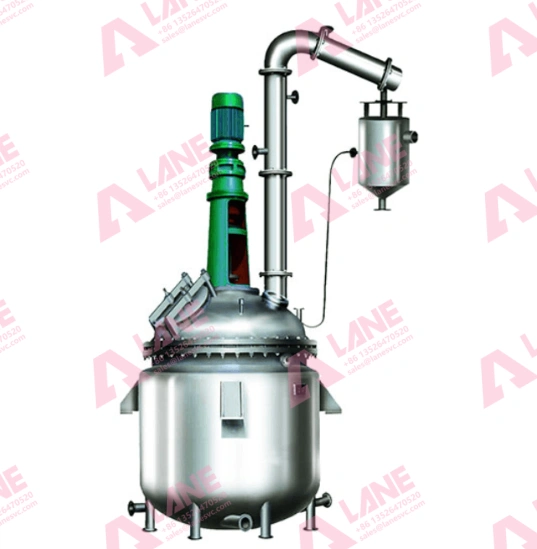
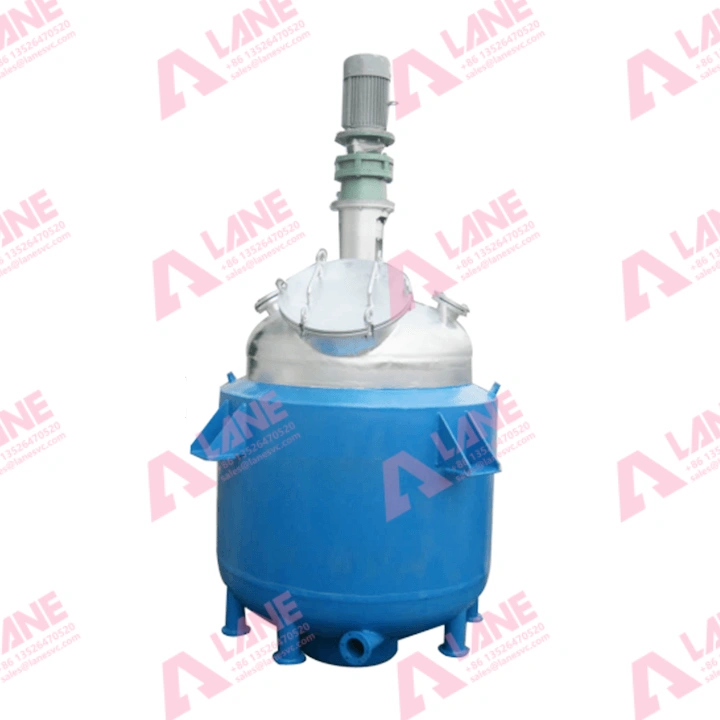
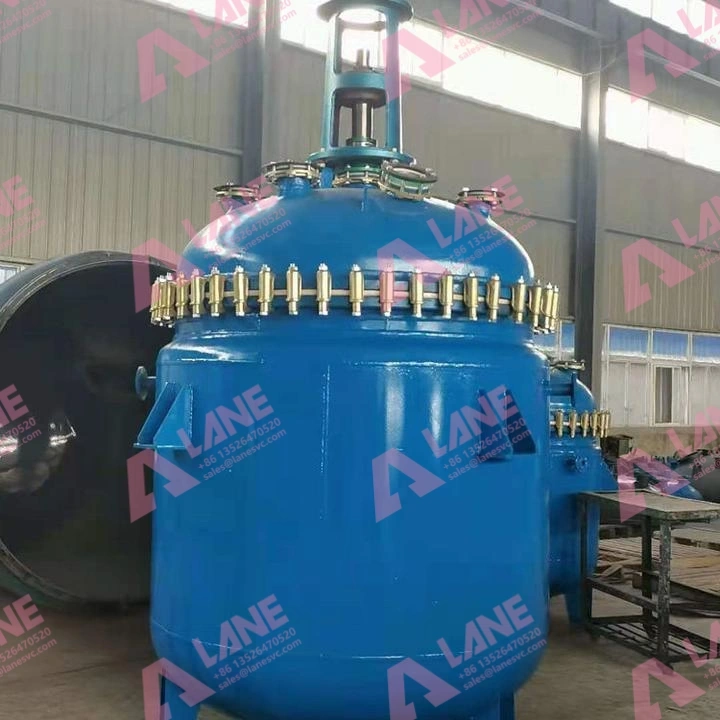
In modern fertilizer manufacturing, the reactor plays a far more important role than many people realize. A Reactor for Fertilizer Production is not just a container where ingredients mix—it is the heart of chemical transformation. It directly determines reaction efficiency, product purity, nutrient stability, and even the energy consumption of the entire fertilizer line.
Over the years, working with fertilizer plants of different scales, I’ve noticed that the performance of the reactor often predicts the performance of the final product. Plants with well-designed reactors usually achieve stable granulation, higher P₂O₅ availability, and far fewer downtime events. This article walks through how a fertilizer reactor works, why its design matters, and how different industries apply it across their production processes.
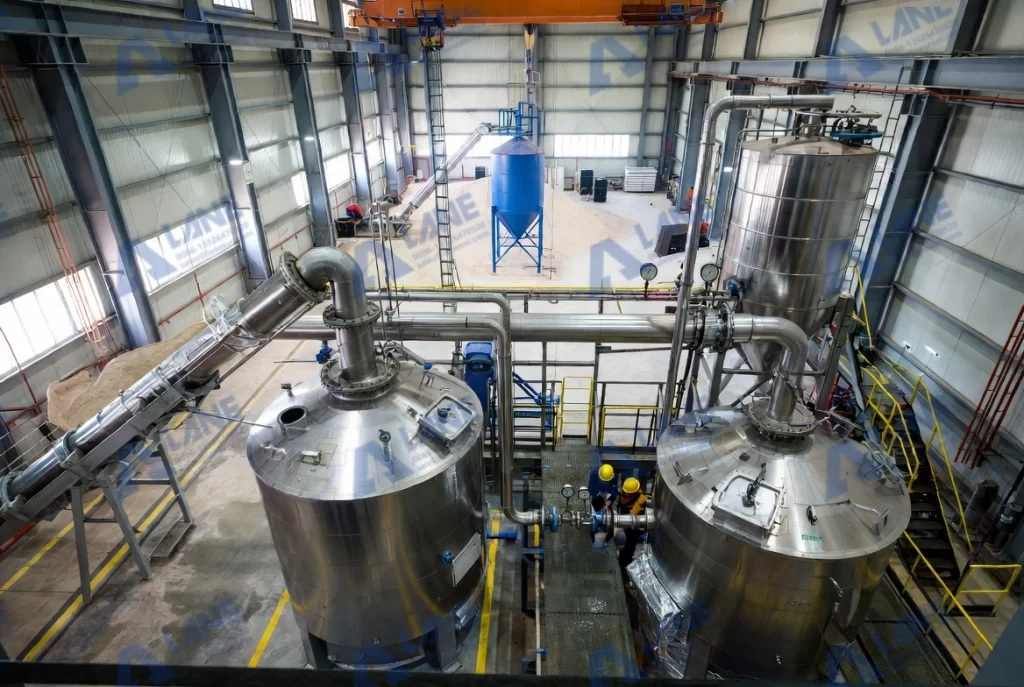
A fertilizer reactor is essentially a controlled environment where raw materials undergo physical and chemical reactions. These reactions include:
acidulation (e.g., phosphate rock + sulfuric acid → SSP slurry)
neutralization (e.g., ammonia + phosphoric acid → MAP/DAP)
slurry formation before granulation
thermal reactions that improve nutrient solubility
Unlike ordinary mixing tanks, a Reactor for Fertilizer Production must manage heat transfer, mass transfer, gas release, viscosity changes, and reaction kinetics—often all at the same time.
In a well-running fertilizer plant, the reactor maintains stable temperature, predictable residence time, and uniform mixing. When these elements are in harmony, the output slurry is consistent, reactive, and ready for granulation.
Different fertilizer reactions have different requirements, but most share several core engineering principles:
Heat and Mass Transfer
Many reactions are exothermic. If heat isn’t removed properly, the slurry can overreact, thicken too quickly, or generate unwanted by-products. Jacketed heating/cooling systems or internal coils help stabilize the temperature.
Controlled Residence Time
Reaction time affects nutrient availability. For example, insufficient acidulation in SSP production leads to unreacted phosphate rock and lower yield.
Uniform Mixing
Mixing intensity is crucial—too gentle and the slurry separates; too aggressive and the reactor wears out prematurely.
Corrosion Resistance
Since acids are commonly used, the material of construction (usually stainless steel 316L or carbon steel with anti-corrosion lining) is a major factor in the reactor’s lifespan.
A professionally engineered Reactor for Fertilizer Production must balance all these requirements while remaining energy-efficient and easy to maintain.
Different fertilizer types require different reactor designs. Here are the most commonly used in the industry:
Used for SSP, TSP, and phosphate-based fertilizers.
Features:
Neutralization Reactors
Used in the production of MAP, DAP, and NPK fertilizers.
These reactors handle ammonia gas, phosphoric acid, or nitric acid under controlled conditions.
Continuous Reactors
Ideal for large-scale, stable production lines.
Benefits:
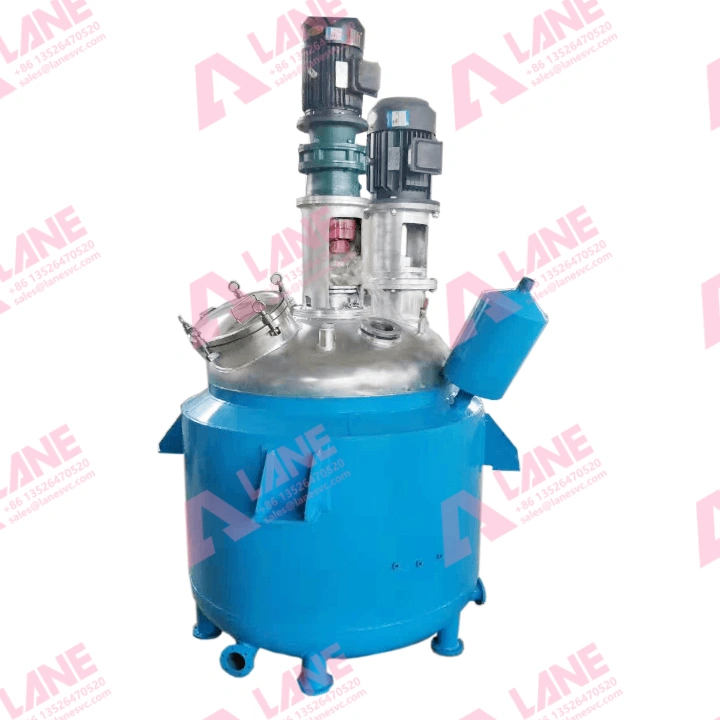
Batch Reactors
Common in small-to-medium plants or R&D facilities.
Advantages:
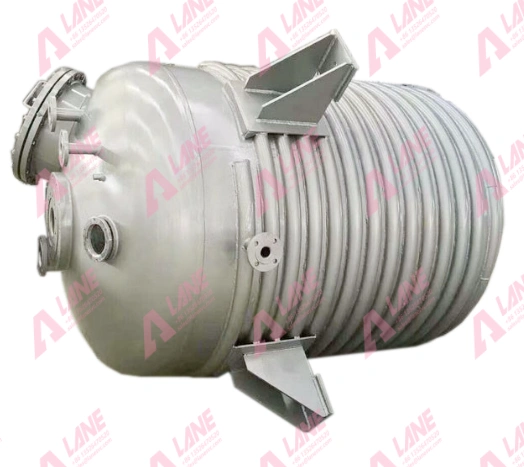
Jacketed and Coil Reactors
Used when temperature control is critical.
Applications include high-temperature phosphate reactions or organic fertilizer liquids.
Whether continuous or batch, each type of Reactor for Fertilizer Production must align with the plant’s raw materials, output targets, and safety requirements.
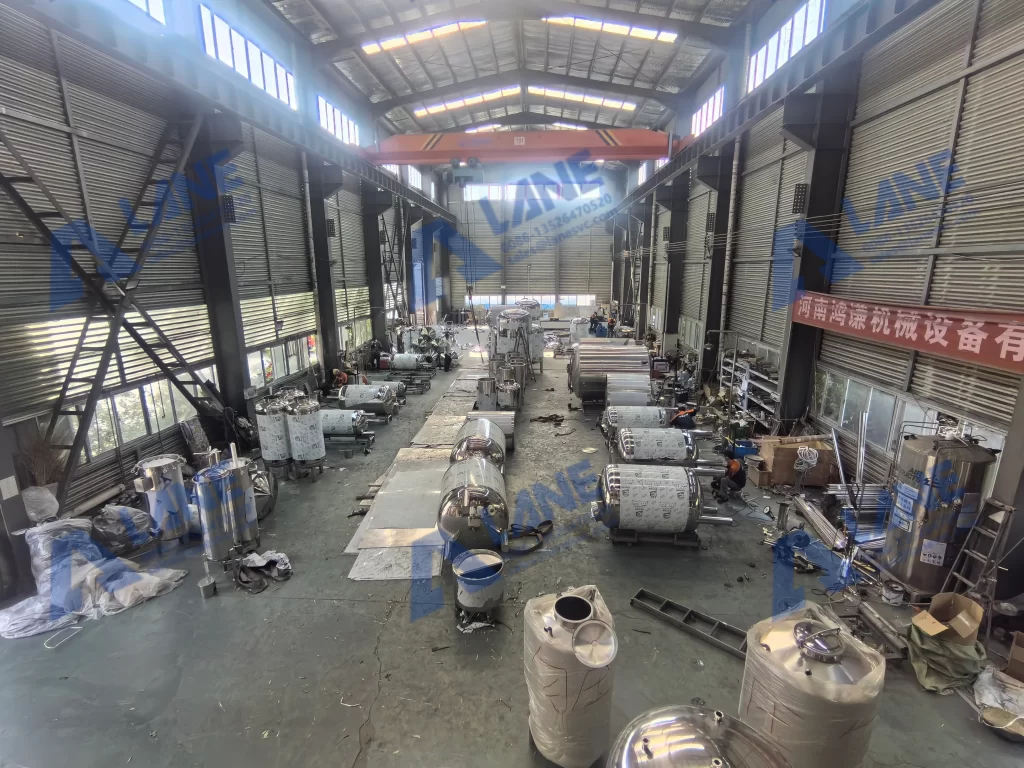
Because fertilizers vary widely, reactors are used in several production processes:
SSP (Single Super Phosphate)
Reactor performs acidulation of phosphate rock → creates slurry → sent to den/curing.
MAP/DAP
Reactor neutralizes phosphoric acid with ammonia → optimized P–N ratio.
NPK Compound Fertilizer
Reactor pre-reacts nutrients before granulation → improves granule strength.
Organic Liquid Fertilizer
Reactor dissolves, sterilizes, and emulsifies organic components.
Potassium Fertilizer Blends
Some plants use reactors to improve solubility or modify potassium compounds.
These industrial applications explain why choosing the right Reactor for Fertilizer Production ultimately impacts efficiency, granulation quality, and final nutrient content.
Whether you’re upgrading an existing line or building a new plant, here are the most important factors to evaluate:
Many factory owners underestimate the importance of matching reactor design to reaction chemistry. In reality, this alone can determine whether a plant runs smoothly or struggles with inconsistent batches.
1. What is the main purpose of a reactor in fertilizer manufacturing?
It enables controlled chemical reactions such as acidulation, neutralization, or slurry formation before granulation.
2. Which materials are best for reactor construction?
Stainless steel 316L, carbon steel with corrosion-resistant lining, or enamel-coated steel depending on the acids used.
3. Are continuous reactors better than batch reactors?
For large-scale stable production, yes. Batch reactors are better for flexibility and small orders.
4. Can reactors be customized for specific fertilizer formulas?
Absolutely. Many plants request custom agitation, heating, feeding, or control systems.
5. What’s the lifespan of a fertilizer reactor?
Typically 8–15 years, depending on materials, corrosion exposure, and maintenance quality.
At LANE (HENAN LANE HEAVY INDUSTRY MACHINERY TECHNOLOGY CO., LTD.), we’ve spent years helping fertilizer manufacturers build more efficient, more reliable, and more sustainable production systems. Our team specializes in designing and engineering complete fertilizer production lines—including reactors, granulation equipment, composting machinery, drying systems, and automated packing solutions.
If you’re planning to upgrade your reactor system or build a complete fertilizer production line, LANE is always ready to offer practical advice, customized solutions, and dependable machinery built for real-world production environments.
For more details, please feel free to contact us.
Henan Lane Heavy Industry Machinery Technology Co., Ltd.
Email: sales@lanesvc.com
Contact number: +86 13526470520
Whatsapp: +86 13526470520