Release time:2026-01-07 popularity:407
In today’s highly competitive industrial environment, manufacturers are under constant pressure to reduce operating costs while increasing output and maintaining consistent product quality. Whether in chemical processing, fertilizer production, pharmaceuticals, or material synthesis, the reactor is the heart of the entire production system. This is why reactor process optimization has become a strategic priority for companies aiming to stay competitive and profitable.
Reactor process optimization is not just about upgrading equipment or adjusting parameters. It is a systematic approach that involves process design, material selection, automation, energy management, and operational control. When done correctly, it can significantly reduce energy consumption, minimize raw material waste, and improve overall production performance.
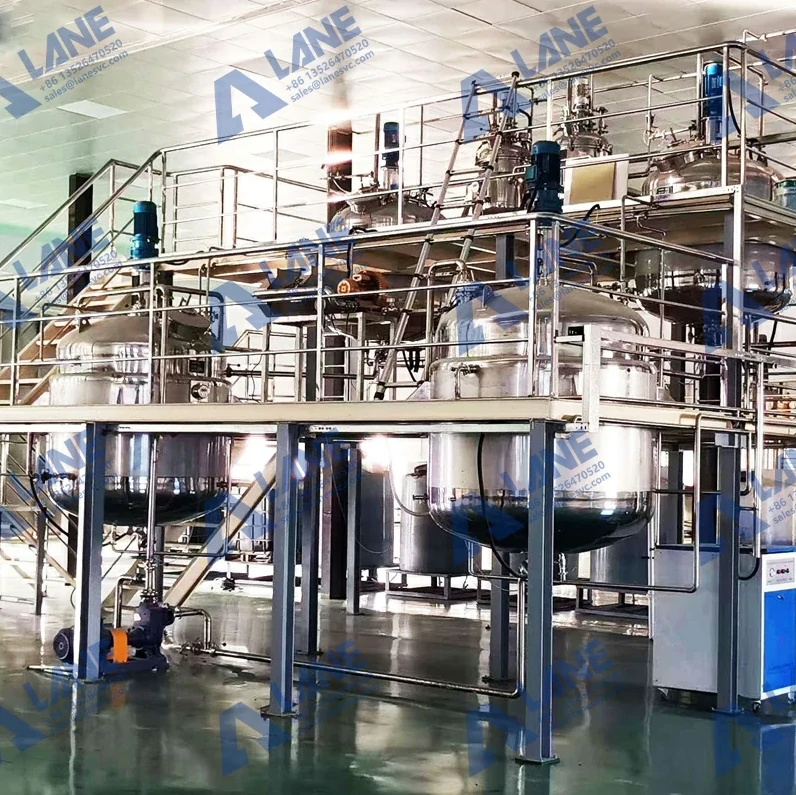
At its core, reactor process optimization refers to improving the operating conditions, structure, and control strategies of industrial reactors to achieve maximum efficiency, stability, and output quality. This includes optimizing:
By refining these elements, manufacturers can ensure that each reaction proceeds under the most favorable conditions, leading to higher conversion rates and fewer by-products.
One of the biggest advantages of reactor process optimization is cost reduction. Many factories suffer from hidden losses due to inefficient reactions, energy waste, and frequent maintenance. Optimization addresses these issues at the root.
1. Lower Energy Consumption
Poorly designed or outdated reactors often require excessive heating, cooling, or agitation. Through reactor process optimization, heat exchange systems can be improved, reaction paths can be shortened, and unnecessary energy input can be eliminated. This directly reduces electricity and fuel costs.
2. Reduced Raw Material Waste
Incomplete reactions and unstable operating conditions lead to unreacted materials and off-spec products. By implementing proper reactor process optimization, material utilization is increased, and waste generation is minimized. This is especially important in fertilizer and chemical industries where raw materials represent a large portion of production costs.
3. Fewer Shutdowns and Maintenance
Optimized reactors operate more smoothly and consistently. This reduces equipment stress, corrosion, and fouling, leading to fewer breakdowns and lower maintenance expenses. Over time, the savings from reduced downtime can be substantial.
Cost reduction is only one side of the story. The real power of reactor process optimization lies in its ability to improve overall production performance.
1. Higher Throughput
By optimizing mixing, heat transfer, and reaction kinetics, reactors can process more material in the same amount of time. This means higher output without the need for additional equipment or factory space.
2. Better Product Consistency
Fluctuations in temperature, pressure, or feed composition can lead to inconsistent product quality. Reactor process optimization stabilizes these variables, ensuring that each batch or continuous run meets the same quality standards.
3. Improved Reaction Efficiency
An optimized reactor allows reactions to reach completion faster and more reliably. This improves conversion rates and reduces the need for reprocessing, further increasing productivity.
To achieve meaningful results, reactor process optimization should be approached from multiple angles rather than focusing on a single parameter.
Reactor Design and Structure
The internal structure of the reactor, including baffles, agitators, and flow paths, has a major impact on mixing and heat transfer. Optimizing these elements can significantly improve reaction uniformity.
Process Control and Automation
Modern control systems allow real-time monitoring and adjustment of operating conditions. Integrating automation into reactor process optimization enables precise control, reduces human error, and improves safety.
Material and Lining Selection
Choosing the right materials for the reactor body and lining can enhance heat transfer, reduce corrosion, and extend service life. This is a critical but often overlooked aspect of reactor process optimization.
Integration with the Production Line
The reactor does not operate in isolation. True reactor process optimization considers upstream feeding systems and downstream processing equipment to ensure smooth, continuous operation.
In fertilizer and chemical manufacturing, reactor performance directly affects product quality and plant profitability. For example, in compound fertilizer or SSP production, precise control of reaction time and temperature is essential. Any deviation can result in uneven granulation, poor nutrient distribution, or excessive dust.
By applying Reactor operation optimization, manufacturers can achieve:
These improvements translate into better product appearance, higher market acceptance, and stronger brand reputation.
Some companies hesitate to invest in reactor process optimization because they focus only on short-term costs. In reality, optimization is a long-term investment that pays for itself through:
Over time, these benefits far outweigh the initial investment.
At LANE Heavy Industry Machinery Technology Co., Ltd., we understand that every production line is different. That’s why our approach to reactor process optimization is always customized, not standardized.
With years of experience in fertilizer and chemical equipment manufacturing, LANE provides complete solutions covering:
Our engineering team works closely with clients to analyze existing problems, identify bottlenecks, and implement practical Reactor operation optimization strategies that deliver measurable results. Whether you are building a new plant or upgrading an existing line, LANE ensures that your reactor system operates at peak efficiency, safety, and stability.
Our philosophy is simple: service creates value, professionalism wins trust. This is why customers in over 200 countries and regions choose LANE as their long-term partner.
Many manufacturers face similar issues before optimization, such as:
Through systematic Reactor operation optimization, these problems can be effectively addressed, turning underperforming plants into efficient, profitable operations.
1. What industries benefit most from Reactor operation optimization?
Reactor operation optimization is widely used in chemical, fertilizer, pharmaceutical, food processing, petrochemical, and environmental industries. Any industry that relies on chemical or physical reactions can benefit from optimization.
2. Is reactor process optimization suitable for existing production lines?
Yes. Reactor process optimization is often more valuable for existing lines because it helps identify inefficiencies and upgrade performance without rebuilding the entire plant.
3. How long does it take to see results after optimization?
In many cases, improvements in energy efficiency and product quality can be seen immediately after implementation. Full benefits usually become clear within a few production cycles.
4. Does Reactor operation optimization require expensive new equipment?
Not always. Many optimizations involve adjusting operating parameters, improving control systems, or modifying internal structures. Equipment replacement is only recommended when necessary.
5. How can LANE support Reactor operation optimization projects?
LANE provides end-to-end support, from process design and equipment manufacturing to installation, commissioning, and training. We focus on practical, cost-effective solutions tailored to your production needs.
In an era where efficiency and sustainability are no longer optional,Reactor operation optimization is one of the most powerful tools available to manufacturers. It reduces costs, boosts production performance, improves product quality, and strengthens long-term competitiveness.
Whether you are facing high energy consumption, unstable quality, or limited capacity, investing in Reactor operation optimization can transform your production line. With the right partner and the right strategy, your reactor can become a true driver of profitability rather than a bottleneck.
If you are looking for a reliable, experienced partner to support your reactor process optimization journey, LANE is ready to help you move forward with confidence.
For more details, please feel free to contact us.
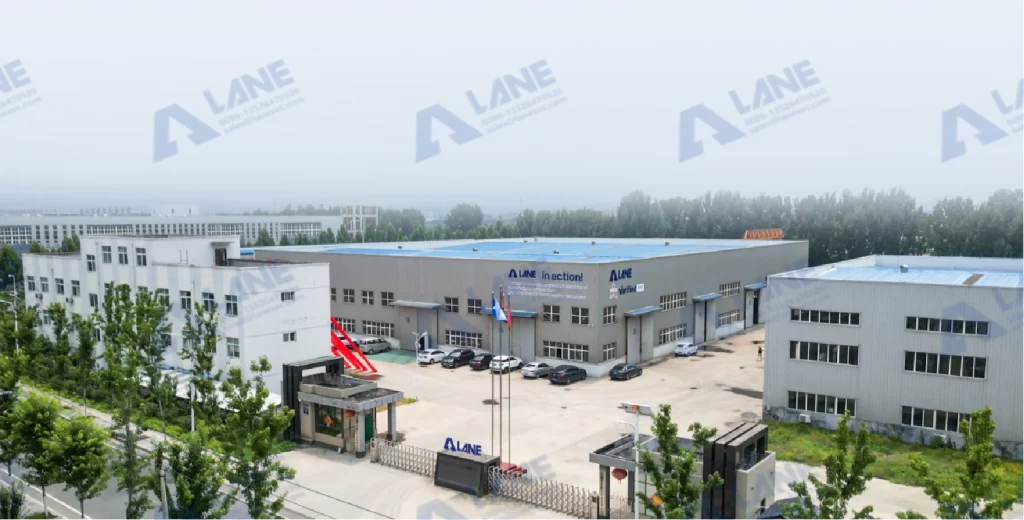
Henan Lane Heavy Industry Machinery Technology Co., Ltd.
Email: sales@lanesvc.com
Contact number: +86 13526470520
Whatsapp: +86 13526470520