Release time:2025-12-22 popularity:407
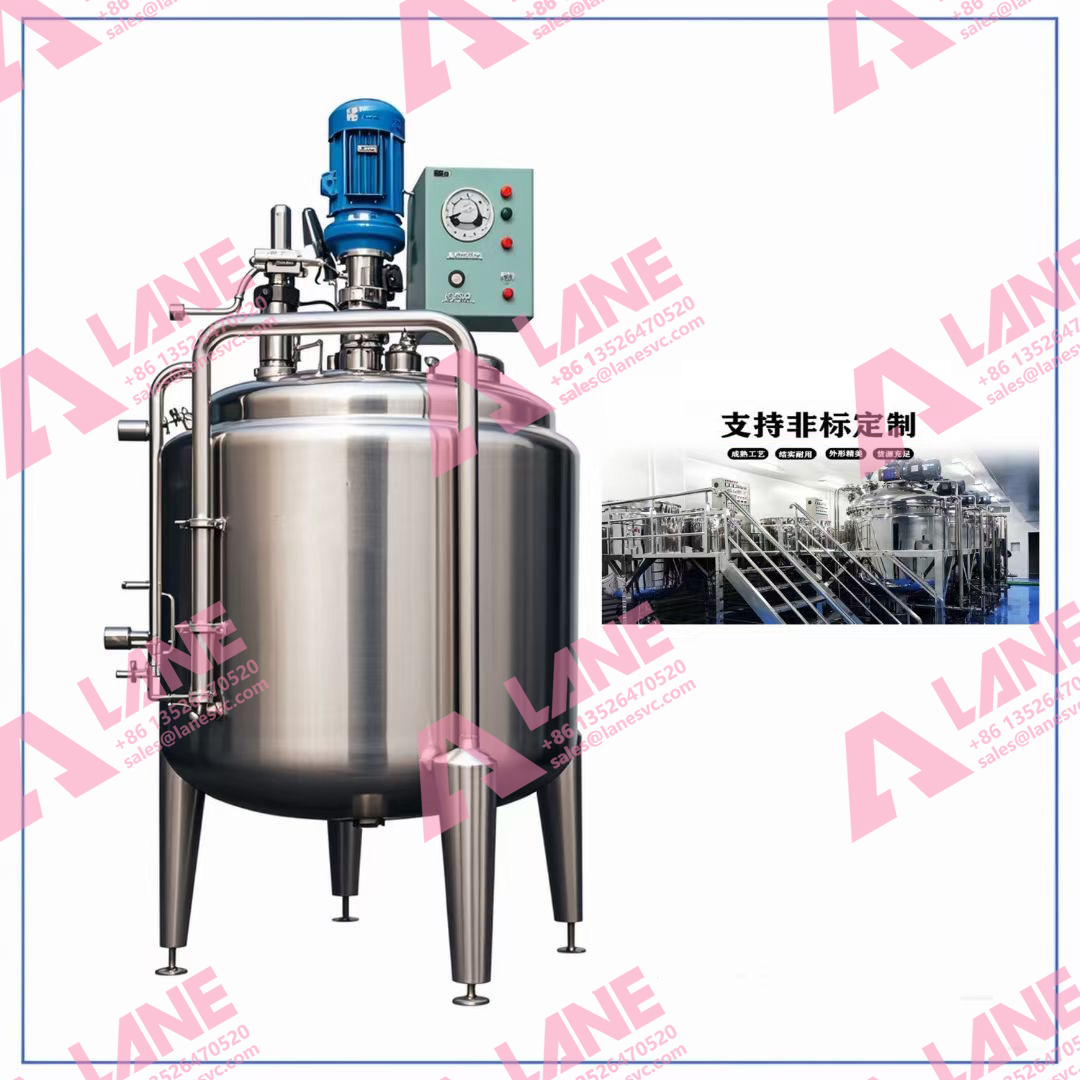
Chemical reactors are the backbone of many industrial processes, ranging from pharmaceuticals and petrochemicals to specialty chemicals. While they are crucial for efficient and large-scale production, they also pose significant risks due to high pressures, extreme temperatures, and reactive substances. Understanding and implementing proper safety precautions for chemical reactors is essential not only to protect personnel and equipment but also to ensure environmental safety and regulatory compliance.
Chemical reactors operate under extreme conditions. Even minor errors or oversights can result in leaks, explosions, or uncontrolled reactions. Accidents in reactors can lead to injuries, financial losses, and environmental damage, which can have long-term consequences for both the company and the surrounding community. Therefore, taking proactive safety measures is a fundamental responsibility for any industrial facility handling chemical reactions.
1. Proper Reactor Design and Material Selection
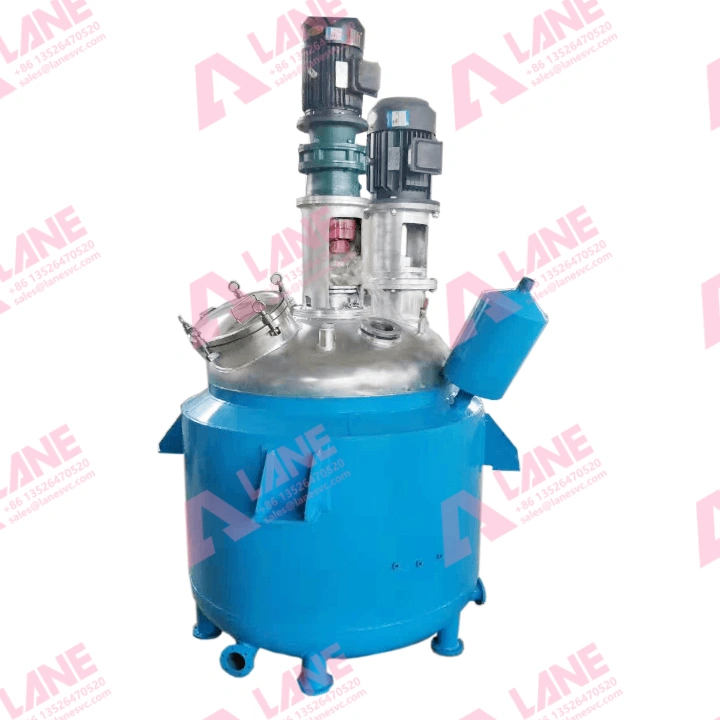
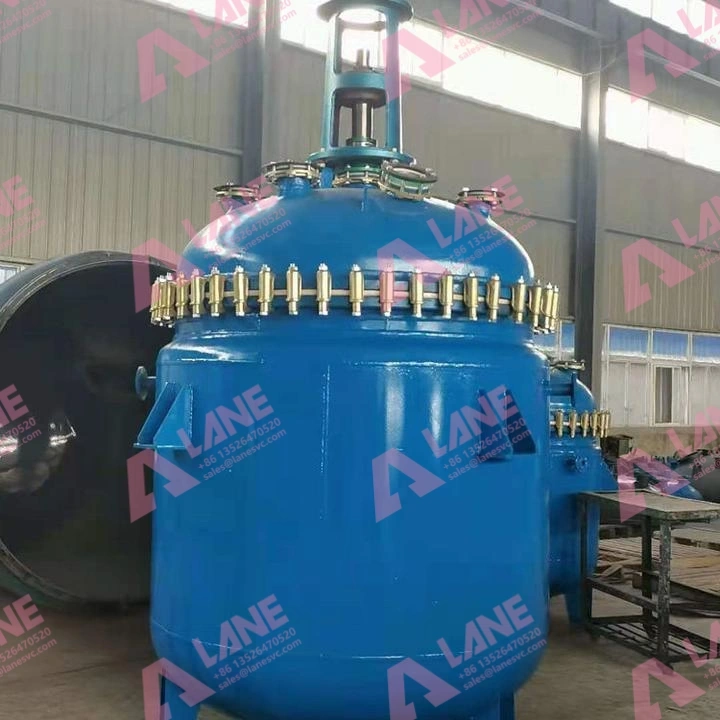
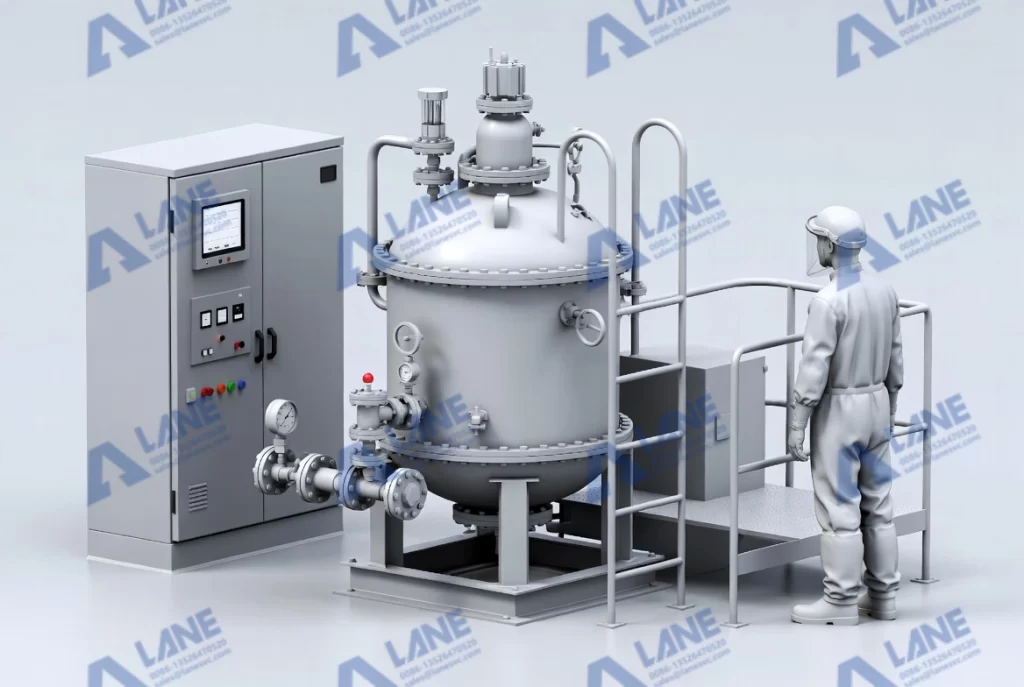
The first step in ensuring safe reactor operations is selecting the right design and materials. Reactors must be constructed from materials resistant to corrosion, chemical reactions, and high pressure. Common choices include stainless steel, high-grade alloys, and glass-lined reactors. Selecting the right materials reduces the risk of mechanical failure and ensures long-term operational safety. Additionally, the reactor design should consider pressure relief systems and fail-safes that automatically mitigate abnormal conditions.
2. Temperature and Pressure Control
Maintaining stable temperature and pressure is among the most critical safety precautions for chemical reactors. Automated sensors and control systems can detect deviations in real time and trigger alarms or emergency shutdowns. Manual monitoring alone is not sufficient because human response may be too slow to prevent accidents. Ensuring that temperature and pressure remain within safe limits minimizes the risk of catastrophic failures.
3. Routine Maintenance and Inspection
Regular maintenance and inspection are vital for safe reactor operation. Components such as valves, seals, and safety relief devices must be checked frequently. Establishing a structured maintenance schedule helps detect wear and tear before it evolves into serious hazards. Equipment malfunctions often occur due to neglect, making inspections a non-negotiable part of safety precautions for chemical reactors.
4. Operator Training and Safety Culture
Even the most advanced chemical reactors require skilled operators. Comprehensive training programs should cover standard operating procedures, emergency response protocols, and hazard recognition. Operators must understand the consequences of deviations and how to respond effectively. Cultivating a strong safety culture within the organization ensures that employees remain vigilant and proactive, which is a cornerstone of all safety precautions for chemical reactors.
5. Personal Protective Equipment (PPE)
PPE is an indispensable element in reactor safety. Protective clothing, heat-resistant gloves, chemical-resistant suits, goggles, and face shields safeguard workers from exposure to hazardous chemicals, high temperatures, and potential splashes or explosions. Mandating PPE usage and training workers on proper procedures is a simple yet highly effective precaution.
6. Emergency Preparedness
Even with preventive measures, accidents can occur. Developing clear emergency response plans, including evacuation procedures, spill containment, and fire control, is essential. Conducting regular drills ensures that employees can respond efficiently and safely under pressure. Emergency preparedness is one of the most practical and immediate safety precautions for chemical reactors.
7. Automation and Advanced Monitoring
Modern chemical reactors increasingly rely on automation for enhanced safety. Continuous monitoring systems track key parameters such as temperature, pressure, pH, and reaction rates. Automated shutdown mechanisms and alarm systems reduce human error and help maintain consistent adherence to safety standards. Integrating automation into safety protocols is a recommended best practice.
8. Documentation and Standard Operating Procedures (SOPs)
Accurate documentation and well-defined SOPs provide a reference point for safe reactor operation. All procedures, from startup to shutdown, should be clearly outlined and accessible to operators. SOPs reduce variability in operations and serve as a training tool for new personnel. Keeping records of maintenance, inspections, and incidents also supports regulatory compliance and continuous improvement.
At LANE Heavy Industry Machinery Technology Co., Ltd., safety is integrated into every stage of reactor design and manufacturing. Our reactors are engineered to meet international safety standards, featuring robust construction, corrosion-resistant materials, and advanced monitoring systems. LANE reactors come with integrated safety relief mechanisms and automation options to minimize risks. Partnering with LANE ensures that your chemical reactor operations are not only efficient but also compliant with the highest safety standards. Trusting LANE for your equipment is an investment in both performance and workplace safety.
By avoiding these mistakes, facilities can significantly reduce the risks associated with chemical reactors.
Q1: What is the single most important safety precaution for chemical reactors?
A1: Maintaining proper temperature and pressure is crucial because deviations are a primary cause of accidents.
Q2: How often should reactors be inspected?
A2: Daily operational checks are recommended, with comprehensive inspections conducted at least quarterly, depending on reactor usage.
Q3: Can automation replace human monitoring?
A3: Automation improves safety but cannot fully replace trained operators. Human judgment is essential for responding to unexpected conditions.
Q4: Are there international standards for reactor safety?
A4: Yes. Standards like ISO, ASME, and OSHA provide guidelines for reactor design, operation, and safety management.
Q5: What role does PPE play in reactor safety?
A5: PPE protects operators from chemical exposure, heat, and potential hazards, making it a critical component of all safety protocols.
Ensuring the safety of chemical reactors requires a comprehensive approach. From proper reactor design and material selection to operator training, emergency preparedness, and automation, every measure contributes to a safer industrial environment. By following established safety precautions for chemical reactors and partnering with reliable manufacturers like LANE, industries can reduce risks, protect personnel, and maintain operational efficiency. Safety is not just a compliance requirement—it is a fundamental principle that ensures the sustainability and success of chemical processing operations.
For more details, please feel free to contact us.
Henan Lane Heavy Industry Machinery Technology Co., Ltd.
Email: sales@lanesvc.com
Contact number: +86 13526470520
Whatsapp: +86 13526470520