Release time:2025-11-11 popularity:407
Choosing the right reactor is a critical decision for any chemical or fertilizer manufacturing plant. With industrial demands increasing, selecting between a Stainless Steel Reactor vs Carbon Steel Reactor can impact production efficiency, operational costs, and equipment lifespan. Understanding the advantages, limitations, and applications of each type ensures that manufacturers make informed decisions that enhance productivity and maintain high-quality standards.
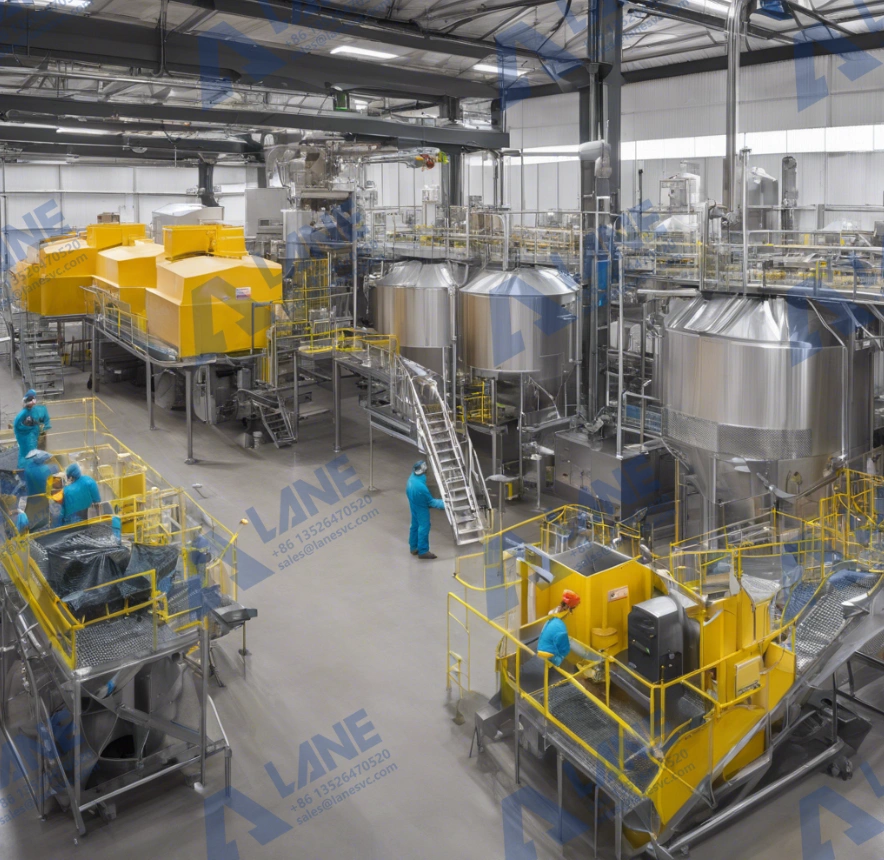
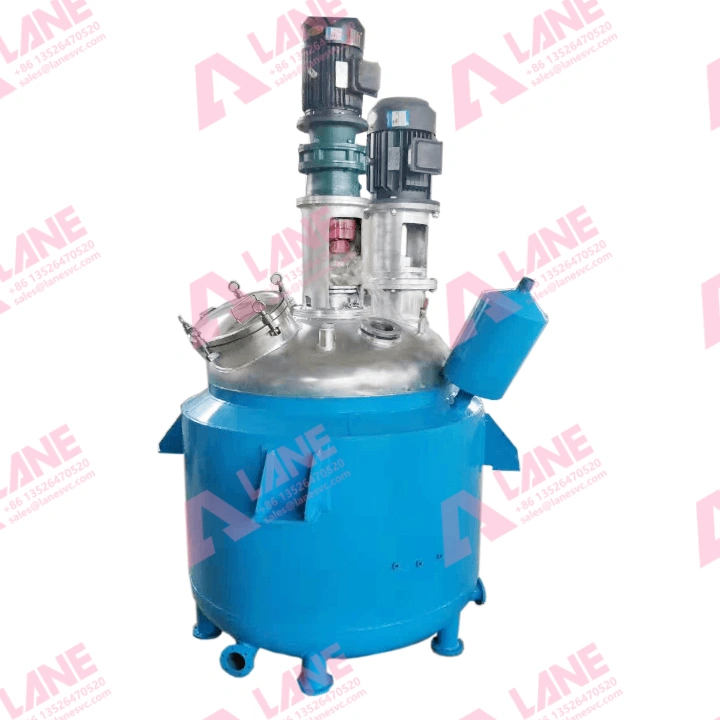
Because of its remarkable resistance to corrosion, a Stainless Steel Reactor vs Carbon Steel Reactor offers distinct advantages depending on the application. A stainless steel reactor is a sturdy vessel ideal for processing corrosive, acidic, or alkaline compounds, widely used in chemical, pharmaceutical, and fertilizer production due to its robustness and contamination resistance.
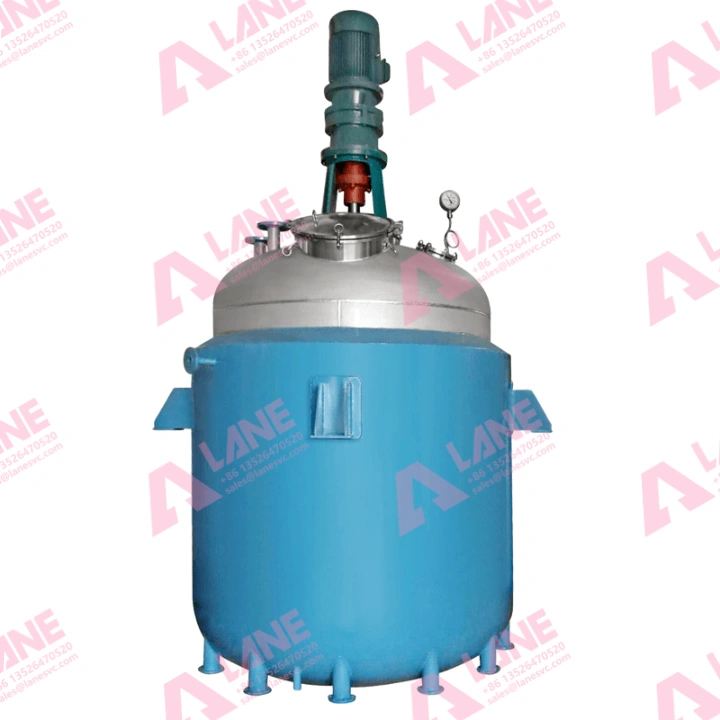
In industrial procedures where corrosion is less of an issue, a carbon steel reactor is frequently utilized. Since carbon steel reactors are often less expensive, they offer a practical option for large-scale manufacturing. The decision is based on particular production needs, the type of raw materials, and long-term operational objectives. Both reactors are available in different capacities and can handle a variety of chemical reactions.
The choice between a Stainless Steel Reactor vs Carbon Steel Reactor primarily depends on their material composition. Carbon steel is mostly iron and has lower resistance to corrosive chemicals, whereas stainless steel contains chromium and other elements that prevent rust and chemical corrosion. This fundamental difference directly affects durability, maintenance requirements, and overall longevity, making it a critical consideration for chemical and fertilizer production processes.
Stainless steel reactors are typically more dependable and require less regular maintenance in hostile chemical conditions. Carbon steel reactors may be less expensive initially, but in order to sustain performance over time, they frequently require more inspections and protective coatings. Furthermore, stainless steel reactors can typically tolerate higher pressures and temperatures, which is crucial for intricate chemical reactions or high-demand fertilizer production processes.
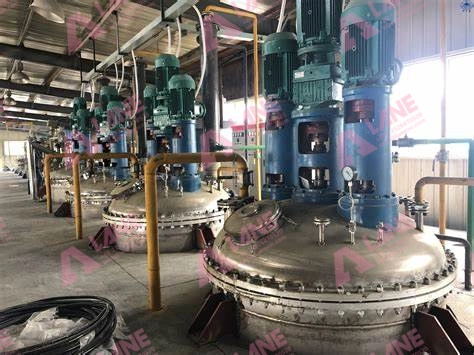
The choice between a Stainless Steel Reactor vs Carbon Steel Reactor depends largely on their material properties and intended applications. Stainless Steel Reactors offer superior corrosion resistance, longer lifespan, and minimal contamination risk, making them ideal for processes involving strong acids or corrosive chemicals. Their higher upfront cost may be a consideration for budget-conscious operations, but their durability and reliability often justify the investment.
Carbon steel reactors, on the other hand, are more affordable and appropriate for less corrosive settings. Nevertheless, they need more upkeep, are prone to rust, and might not be suitable for procedures involving extremely reactive chemicals. Plant managers and engineers can choose the reactor that best suits their production objectives, operating circumstances, and long-term investment strategy by being aware of these benefits and drawbacks.
When deciding between a Stainless Steel Reactor vs Carbon Steel Reactor, several critical factors must be evaluated. Production scale and capacity requirements play a fundamental role, as high-volume operations may favor carbon steel for its lower cost, while sensitive chemical processes often necessitate stainless steel.
The type of raw materials, chemical reactions, environmental regulations, safety standards, and long-term maintenance costs are also crucial when choosing a Stainless Steel Reactor vs Carbon Steel Reactor. A comprehensive assessment ensures that the selected reactor not only meets current production needs but also provides sustainable performance and reliable operation throughout its lifespan.

Investing in a Stainless Steel Reactor vs Carbon Steel Reactor requires careful consideration of both initial and operational costs. Stainless steel reactors have higher upfront costs due to material and manufacturing expenses, but they typically offer longer service life, reduced maintenance, and minimal downtime.
Although carbon steel reactors are initially less expensive, they may eventually cost more for replacement, repairs, or protective coatings. Assessing manufacturing efficiency, maintenance schedules, energy usage, and the possible risk of chemical corrosion are all part of calculating projected return on investment (ROI). Making an informed decision guarantees maximum cost-effectiveness while upholding excellent manufacturing standards.
Q1: Which reactor is better for corrosive chemicals?
A1: Stainless steel reactors provide superior corrosion resistance, making them suitable for harsh chemical processes, whereas carbon steel reactors may require protective coatings.
Q2: Is a carbon steel reactor cheaper than a stainless steel reactor?
A2: Yes, carbon steel reactors typically have a lower initial cost, but long-term maintenance may increase overall expenses.
Q3: How long does each type of reactor last?
A3: Stainless steel reactors usually have a longer lifespan due to corrosion resistance. Carbon steel reactors may have a shorter service life if exposed to aggressive chemicals.
Q4: Can both reactors handle high-pressure and high-temperature processes?
A4: Both can operate under pressure and heat, but stainless steel reactors generally offer higher tolerance and reliability.
Q5: Which reactor is best for fertilizer production?
A5: For corrosive or wet raw materials, stainless steel reactors are preferred. For non-corrosive processes, carbon steel reactors can be cost-effective.
Choosing between a Stainless Steel Reactor vs Carbon Steel Reactor depends on a careful balance of cost, durability, production requirements, and chemical compatibility. For processes involving corrosive or reactive materials, stainless steel is the preferred choice due to its superior resistance and long-term reliability. For less aggressive chemical environments or cost-sensitive projects, carbon steel reactors may suffice.
By thoroughly understanding the characteristics, advantages, and limitations of a Stainless Steel Reactor vs Carbon Steel Reactor, manufacturers can make informed decisions that optimize production efficiency, reduce maintenance costs, and maintain high-quality output. For customized solutions tailored to specific plant requirements, consulting with experienced equipment suppliers is recommended.
For more details, please feel free to contact us.
Henan Lane Heavy Industry Machinery Technology Co., Ltd.
Email: sales@lanesvc.com
Contact number: +86 13526470520
Whatsapp: +86 13526470520